Custom Food Labels
Printed labels matched to your container and its conditions
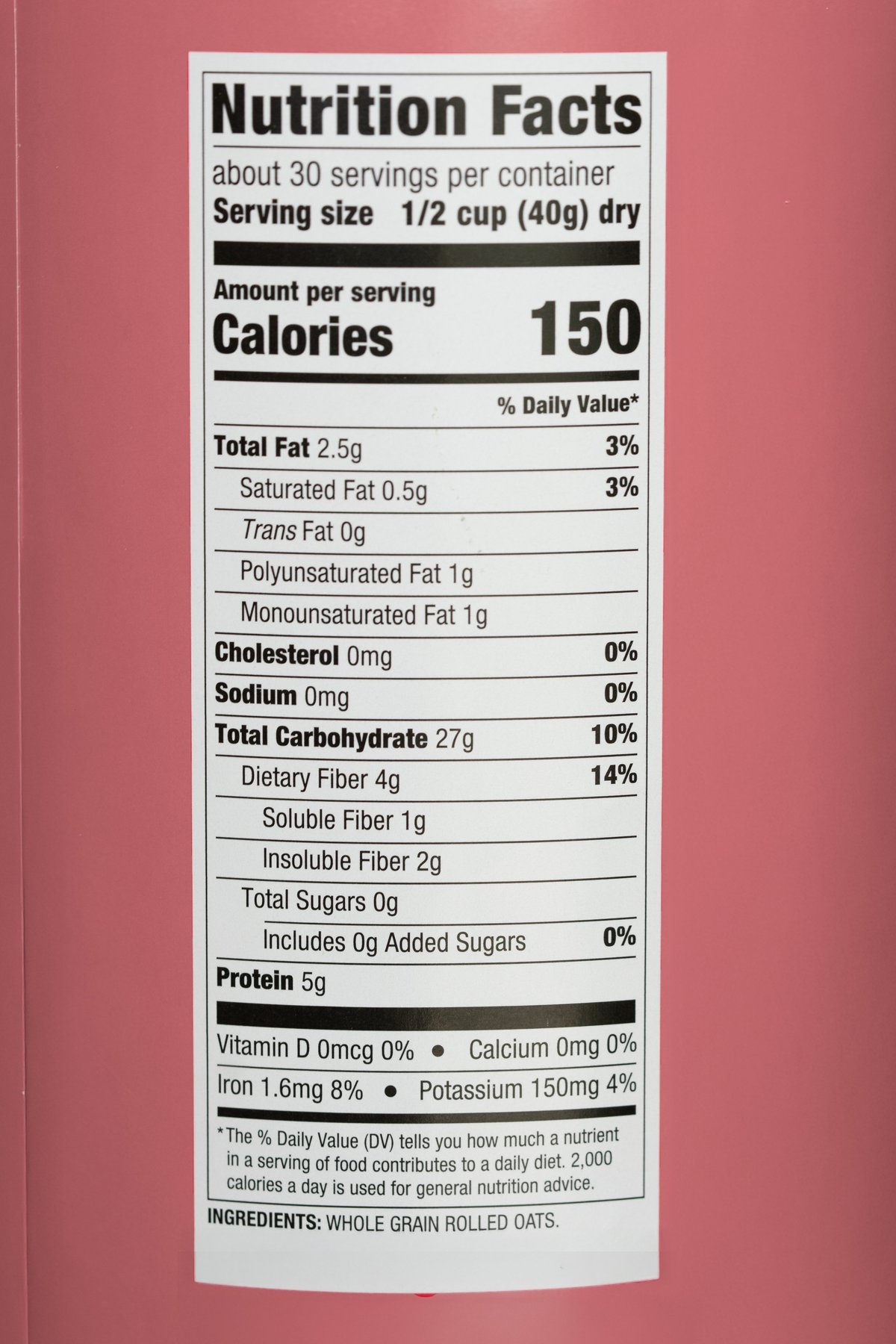
Starting around$0.080/eaConfigure for your priceA label is the smallest piece of packaging that carries the most information. It identifies the product, presents the brand, and — where required — carries ingredient or allergen detail, all on a surface measured in inches. Because labels are applied by hand or by machine to containers you already buy, they are also the most flexible branding decision available: the same printed label can go on a jar, a bottle, a box, or a pouch, and it can be changed or updated without replacing the container underneath. Custom food labels suit food manufacturers, restaurants packaging their own sauces, bakeries, coffee roasters, and any brand selling a packaged good.
- Any dimension from 1 inch to 6 inch and custom sizes
- Round, rectangle, square, oval, and custom die shapes
- Paper, waterproof BOPP, clear BOPP, and freezer-grade materials
- Matte, gloss, metallic, and uncoated finishes
- Free digital mockup before production
- Printing
- Custom logo printing
- Artwork
- Free digital mockup
- Minimum order
- Varies by configuration
- Production
- Confirmed with your final quote
- Shipping
- Multiple options available
- Delivery
- Nationwide
About Custom Food Labels
A printed label is a face stock — paper or film — coated with an adhesive and mounted on a liner that peels away when the label is applied. The face stock and the adhesive are two separate decisions, and both have to suit the surface the label lands on and the conditions it will live in. That is why labels are specified against the container rather than chosen on their own.
Dimensions and shape come first, because a label that does not fit the panel it is meant for is unusable regardless of how good the print is. Round labels suit jar lids and bottle caps, where the panel is circular. Rectangular labels are the general-purpose format for bottles, boxes, and pouch fronts. Square labels fit containers with flat front panels. Oval labels work on tapered and curved surfaces where a rectangle would wrinkle at the edges. Custom die shapes are used where the label itself carries the brand — a shaped label is often the most distinctive part of a small brand's packaging.
Material and adhesive come next, and they are where most label problems originate. A paper label on a dry, room-temperature surface is the simplest and cheapest option. The moment condensation, refrigeration, or freezing enters the picture, the specification changes — moisture breaks down a standard paper label and lifts a standard adhesive, which is why waterproof film stocks and freezer-grade adhesives exist as separate specifications rather than general upgrades.
Dimensions & Shapes
The dimensions below cover the common label formats. Give us your container's panel measurements and we will confirm the sizes that fit rather than guessing from a nominal figure.
| Label Size | Typical Application | Common Shape |
|---|---|---|
| 1–2 inch | Bottle caps, jar lids, small seals | Round |
| 2–3 inch | Standard jars, bottles, and lids | Round, square |
| 3–4 inch | Larger bottles and containers | Rectangle, oval |
| 4–6 inch | Boxes, platters, large pouches | Rectangle |
| Custom dimensions | Tell us your width × height | Any die shape |
Materials & Adhesive
Material selection is driven by where the label will live and what it will touch. The options below are confirmed against your specific container and storage conditions in your quote.
- Paper — standard dry-surface labeling at room temperature. The most economical option.
- Waterproof BOPP — a film stock that resists condensation, ice baths, and refrigeration.
- Clear BOPP — a transparent film that gives a no-label look on dark or colored containers.
- Freezer-grade — a material and adhesive specified for labels applied before freezing.
- Removable adhesive — lifts cleanly from the surface, for labels meant to come off.
Finish & Print
Finish changes how a label reads as much as the artwork does. Matte gives a soft, low-glare surface that photographs well and feels considered on natural and kraft packaging. Gloss produces more vivid color and contrast, which suits bold branding and product photos. Metallic and foil finishes add an accent that reads as premium on small labels where there is little room for other detail. Uncoated gives a natural paper feel that pairs with kraft and recycled packaging.
Labels are normally printed in full color. Where a brand uses a specific color — a Pantone number or a hex value — include it as a reference so we can match it accurately. Color reproduction also shifts with the finish, so it is worth deciding the finish and the color together rather than separately.
Why Brands Print Their Own Labels
Labels let a brand control its packaging identity without committing to custom containers. A sauce producer buying standard jars can put a fully custom label on them and present a finished, branded product — which is the difference between selling something that looks homemade and something that looks retail-ready.
They are also the easiest packaging element to revise. Ingredient panels change, regulatory details get added, a product line gets a new look — with a label, that is a reprint rather than a new container order. For growing brands that are still finding their identity, that flexibility is worth more than the label itself costs.
How Pricing Works
Custom labels are quoted per project rather than sold at a list price, because the cost moves with the dimensions, the shape, the face material and adhesive, the finish, and the quantity you run. Metallic and foil finishes and specialty materials cost more than standard paper; larger runs lower the cost per label.
Submit your configuration and a specialist returns pricing for your exact combination, including what the price covers — material, printing, delivery, and artwork setup.
Minimum Order Quantity
Minimum order quantity depends on the label dimensions, the material, the finish, and the print setup your artwork requires, and is confirmed with your quote. Labels are frequently run in higher quantities than other packaging because they are small and the setup amortizes across the run.
Tell us your target quantity in the configurator and we will confirm the actual minimum for your build.
Artwork Requirements
Vector artwork is strongly preferred for labels, because label artwork often includes small type — ingredient lists, weights, allergen statements — that has to stay sharp at a very small size.
- Preferred: AI, EPS, SVG, or PDF — vector formats.
- Acceptable: PNG or JPG at high resolution.
- If you only have your logo, we can prepare the label layout for you.
- Include exact dimensions and any copy that must appear on the label.
- A color reference — hex code, Pantone number, or a physical sample — helps us match accurately.
Production & Delivery
Labels are custom manufactured after you approve the design and pricing — they are not pulled from stock. The sequence is: configure your specifications, receive a free digital mockup, approve the design and pricing, manufacturing begins, then the completed order is delivered nationwide.
Production timing and freight depend on the label, quantity, and your delivery location, so they are confirmed as part of your quote rather than estimated here.
Reordering
Because your dimensions, shape, material, finish, and approved artwork are recorded against your order, reordering is a matter of confirming your previous configuration and quantity. Tell a specialist you are reordering and reference your previous project.
Who Orders Custom Food Labels
These are the businesses that most often order this packaging. We manufacture to your specifications regardless of your size.
Frequently Asked Questions
How do I choose the right label size?+
Which material should I use for refrigerated or frozen products?+
What is the difference between paper and BOPP?+
Can I get a custom die-cut shape?+
What is the minimum order quantity?+
How much do custom labels cost?+
Can labels carry ingredient and allergen information?+
Do you ship nationwide?+
Can I order labels with my jars, bottles, or pouches?+
What file format should my logo be in?+
Production Time and Shipping Time Are Different
Production time is the time required to manufacture your packaging. Transit time is the time required to transport it to you. These are separate — a production window is not a delivery date, and every project's timeline is confirmed with your final quote.
Express
Best when speed matters most. Faster transportation may be available depending on the product, quantity, manufacturing location, shipment size, destination and carrier availability. Express transportation can cost significantly more than standard, and an exact transit time is confirmed with your freight quote.
Standard
Best when you want a balance between delivery cost and transit time. Standard freight is generally the more economical option when your schedule allows additional flexibility. Actual transit time and freight cost are confirmed with your final quote.
Large-volume freight
Larger orders are not handled as ordinary parcel shipments. Depending on size and destination this may involve palletized freight, LTL, air, ocean, partial-container (LCL) or full-container (FCL) arrangements. YaSeen determines the appropriate method for your actual project and quotes it accordingly.
Not sure
If you are unsure, our team will recommend the option that best fits your deadline, quantity and destination once your project has been reviewed.
Freight cost and transit time are confirmed with your final quote. Shipping & delivery details
What Happens After You Submit
Submitting a project starts a review, not a charge. Here is the whole process from your submission to your delivery.
- 1
Project received
We receive your specifications, quantity, artwork and delivery information.
- 2
Project review
Our team reviews the packaging requirements and verifies production and delivery details.
- 3
Final quote
You receive confirmed pricing, applicable freight, payment terms and an estimated timeline.
- 4
Secure payment
If you choose to proceed, you receive approved payment instructions or a secure invoice.
- 5
Digital proof
Your artwork is prepared and reviewed for the packaging you selected.
- 6
Your approval
You approve the final digital proof, or request corrections.
- 7
Production
Production begins only after payment requirements are satisfied and final artwork is approved.
- 8
Shipping
Your completed packaging ships using the delivery method agreed on your quote.
- 9
Delivery
Your packaging arrives according to the confirmed project arrangements.
- 10
Reorder
Your approved specifications and artwork can be referenced to make future orders easier.
Request a Sample
Sample availability, customization and shipping costs vary by product. Submit a sample request and our team will confirm the options available for the packaging you're considering. A digital mockup of your own artwork is provided before production on every order.
How samples fit into an orderAlready Ordered This Product?
Repeat orders can be easier because your previous specifications and approved artwork may already be available for reference. Start a reorder request and tell us the product, quantity and any changes you'd like.
Start a reorderWhy Businesses Order From YaSeen Packaging
Free digital mockup
You see your artwork on the packaging before anything is produced.
Artwork support
Send print-ready files, a logo, or ask us to prepare the layout.
Volume pricing
Larger quantities receive stronger unit economics and a tiered quote.
Nationwide delivery coordination
Express, standard and large-volume freight options arranged per project.
Multiple products, one supplier
Build a complete packaging system instead of managing several vendors.
No payment to submit
Your project is reviewed and priced before you are asked to pay anything.
Packaging Guides
Planning your order? These guides answer the questions that come up most often.
Related Products
Custom Glass Jars
Printed jars for sauces, preserves, and dry goods.
View ProductCustom Glass Bottles
Branded bottles for beverages, oils, and syrups.
View ProductCustom Sauce Bottles
Printed bottles for sauces and condiments.
View ProductCustom Coffee Bags
Printed coffee packaging with degassing valve options.
View ProductCustom Stand-Up Pouches
Resealable pouches for retail food products.
View ProductCustom Napkins
Printed napkins for counters and tables.
View ProductReady to Put Your Brand on Custom Food Labels?
Configure your specifications above and we'll prepare a free digital mockup and pricing for your exact order.