
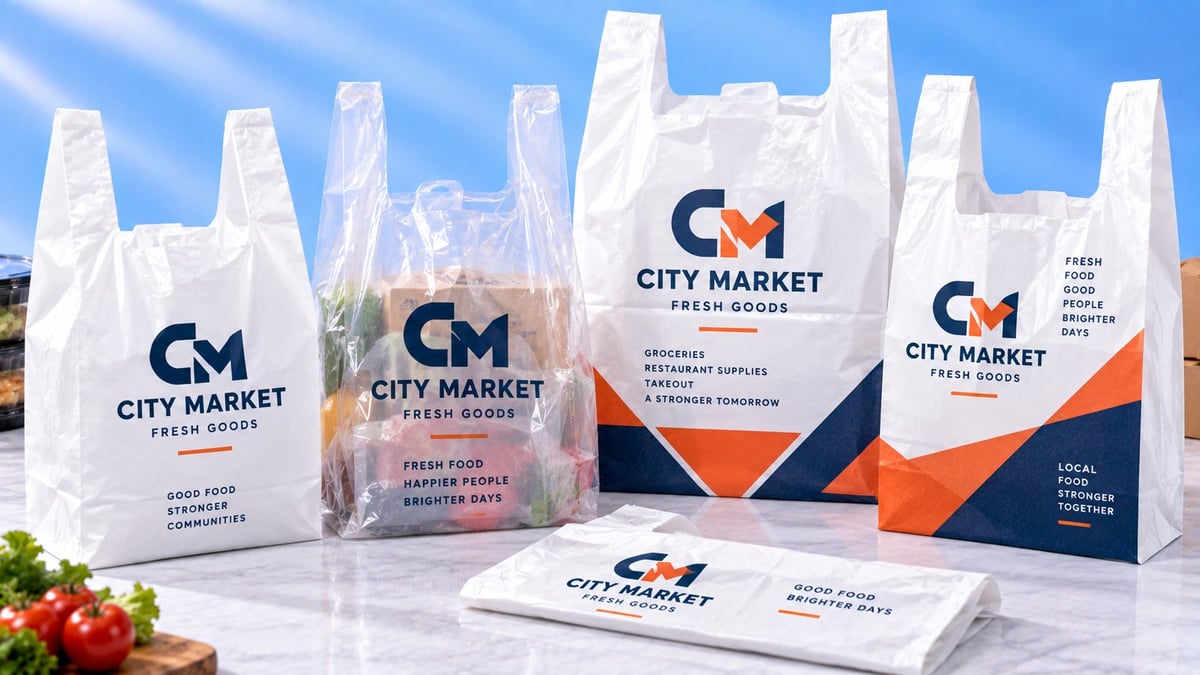
Industry Collection
Grocery & Retail Food Packaging
Packaging for grocery stores, markets and retail food counters: checkout and produce bags, deli and bakery formats, and the labels that keep a store compliant and consistent.
Collection photo coming soonGrocery & Retail Food packaging, photographed for this collection.
A grocery store or retail food operation buys packaging in a different shape from a restaurant. Volume is higher, the item count per transaction is larger, and most of what leaves the store is not served to anyone: it is simply carried out. That makes load, cost per unit and how the packaging stores before use the dominant concerns.
The second difference is that a grocery store runs several packaging departments under one roof. A deli counter, a bakery section, a produce aisle and a checkout lane each need their own format, and they are usually bought by different people. The value of planning them together is that the store looks like one business rather than four departments with four suppliers.
This collection covers what actually goes through a grocery or retail food operation: the bags that leave the store, the formats used at the counters inside it, and the labels that carry pricing and product information.
What a Grocery Operation Has to Solve
Volume where a fraction of a cent matters
A grocery store goes through more packaging per week than most restaurants do per month, and the unit cost difference between two similar bags is real money at that volume. This is the one setting where cost per unit genuinely drives the decision, and it is worth quoting at the volumes you actually run rather than a smaller test quantity.
Weight and the bag that fails under it
Checkout bags carry a full shop, which is a load most packaging is never asked to take. Handles pulling through and bags splitting under weight are the failure modes here, and they are avoidable by choosing for load rather than by price alone.
Storage before the packaging is ever used
A grocery store holds weeks of packaging at a time, and storage space is expensive. Bags that compress and pack flat cost far less space than rigid formats. If your storage is tight, that is a real constraint worth raising.
Several counters needing consistency
Deli, bakery, produce and checkout each use different formats, and when they are bought separately the store ends up looking inconsistent. Planning the formats together so they share a mark is what makes one shop rather than four departments.
Labelling and required information
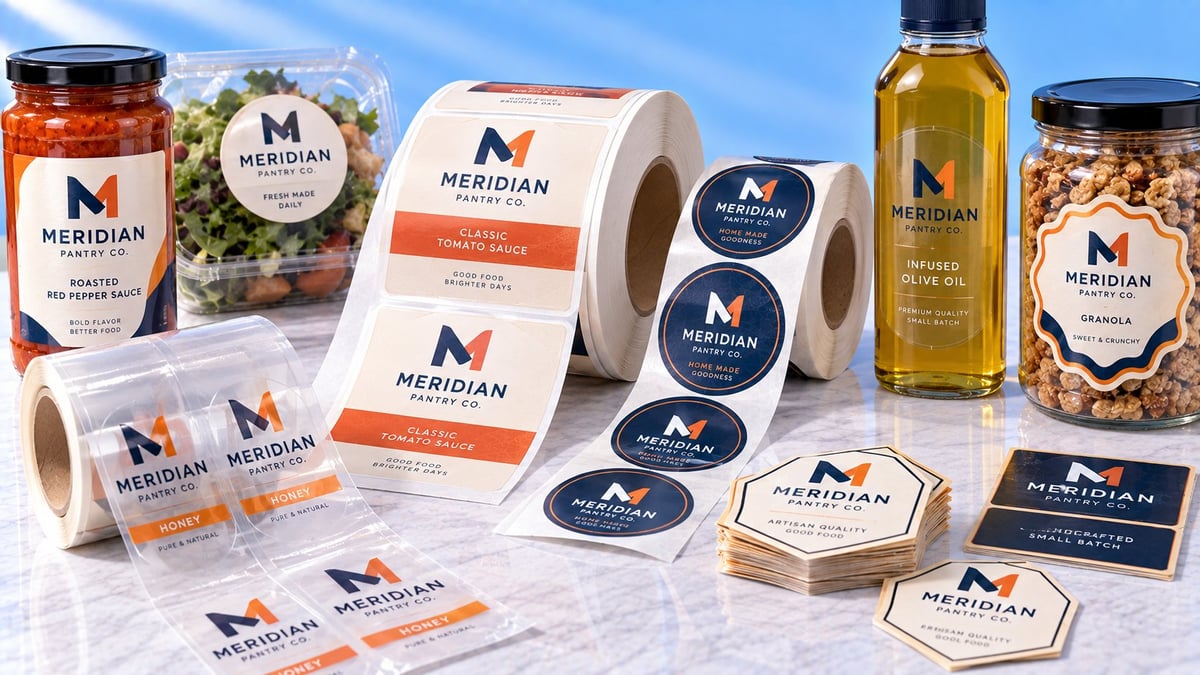
Retail food carries pricing, weight and product information that has to be right. Labels do that job and are also the cheapest branded surface in the store, appearing on containers the store already buys.
Produce and fresh display
Produce has its own requirement: the packaging has to let the product be seen and handled while still carrying the brand. It is a different decision from a checkout bag in every respect except that both leave the store.
The Grocery & Retail Set
Checkout and carryout bags first, then the formats used at deli, bakery and produce counters. Each card opens the product page to configure size and print.
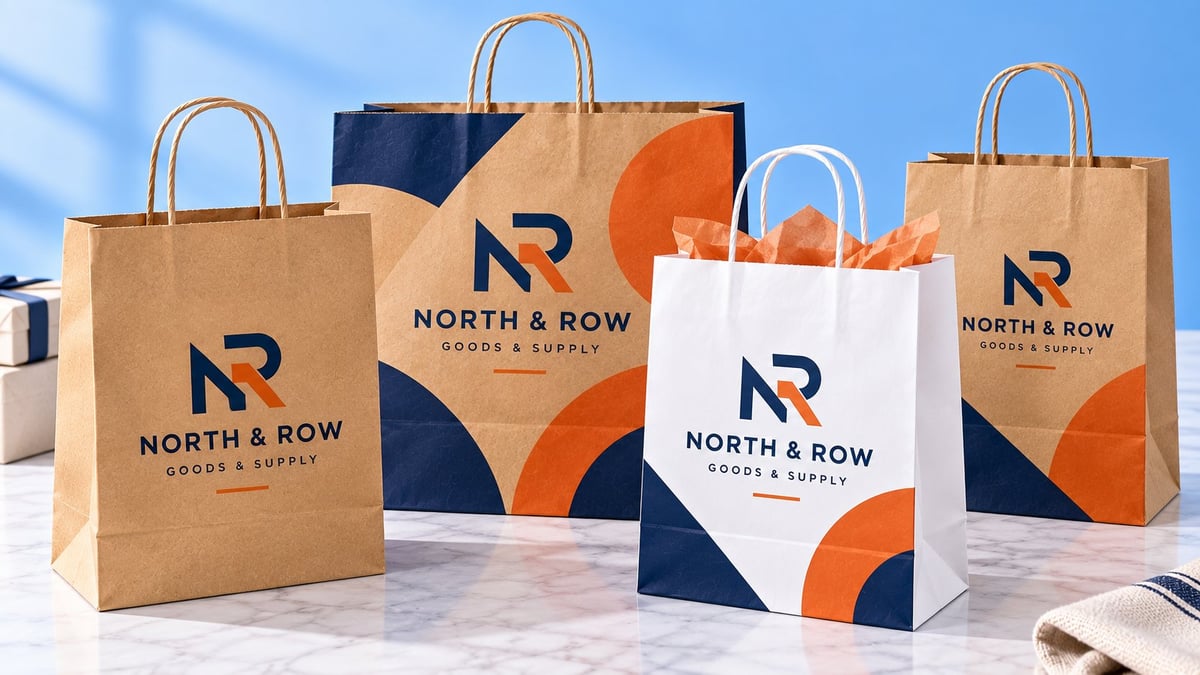
Custom Paper Shopping Bags
Handled bags for customers who prefer paper or need presentation.
View & Configure →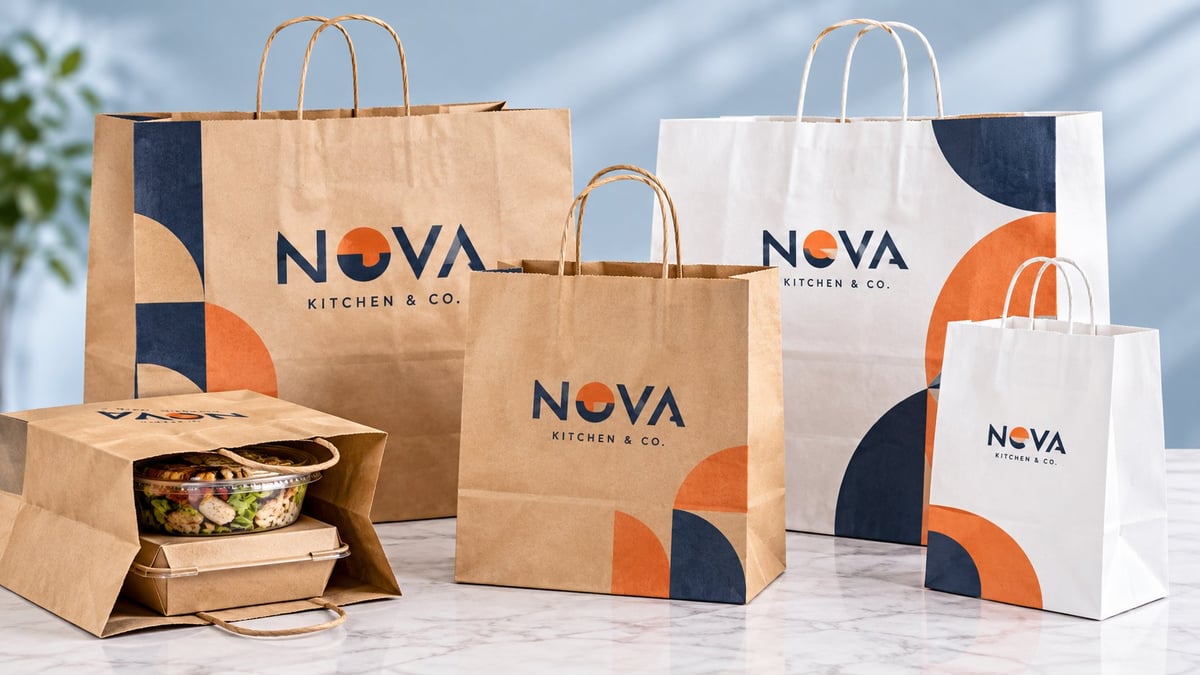
Custom Takeout Paper Bags
Smaller carryout orders at a counter or a hot food section.
View & Configure →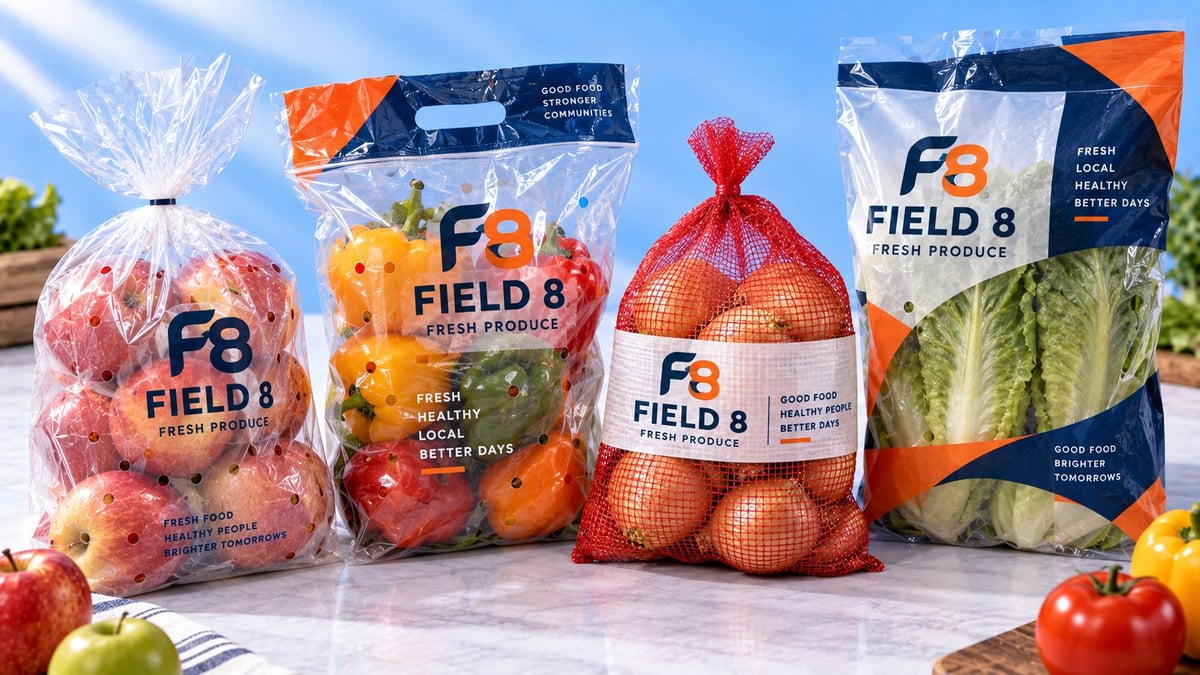
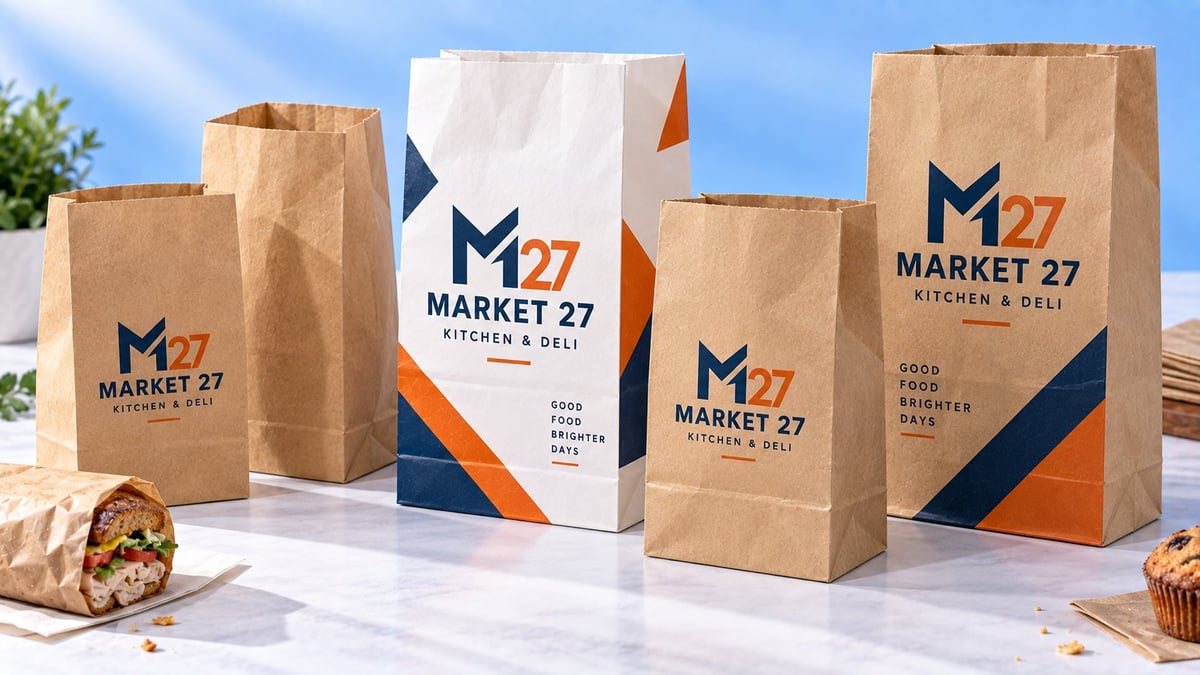
How a Grocery Store Fits Together
Checkout and carryout
This is the highest-volume packaging decision in the store and the one most sensitive to unit cost. Plastic checkout bags handle weight and volume economically and pack down; paper handled bags present better and suit customers who prefer them. Many stores run both, and the split is a merchandising decision as much as a cost one.
Produce and fresh display
Produce needs packaging that shows the product and lets it be handled. It is a different requirement from checkout in every way except that both leave through the same door, and it is usually specified separately.
Deli, bakery and prepared food counters
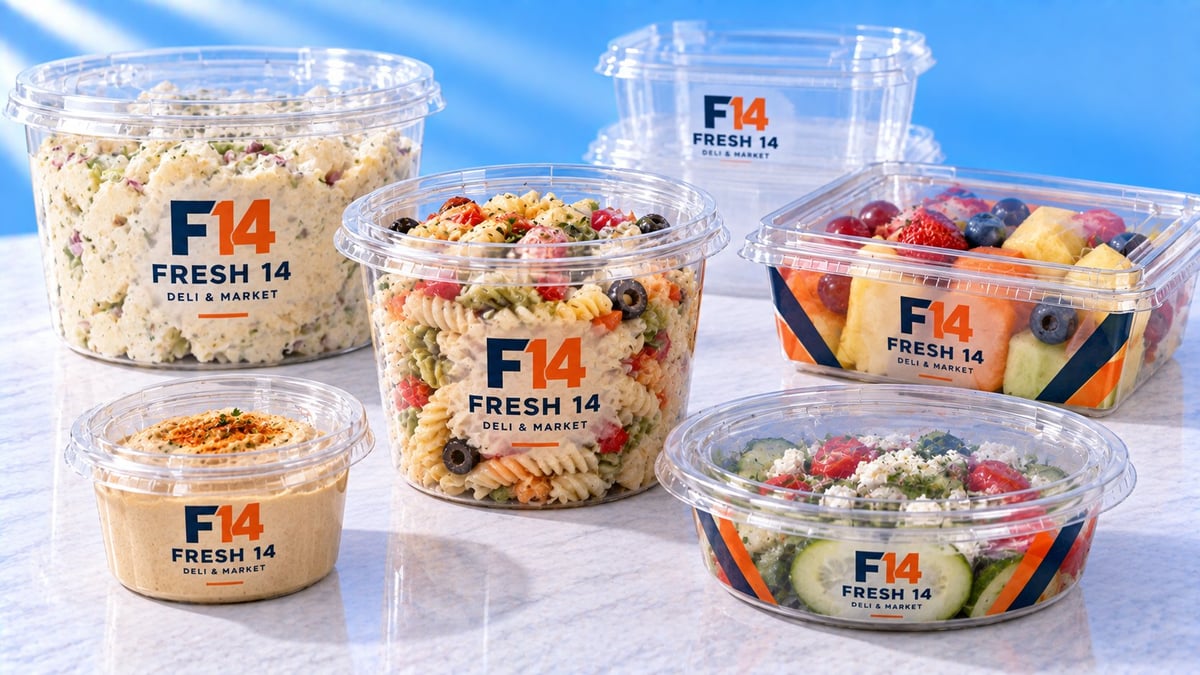
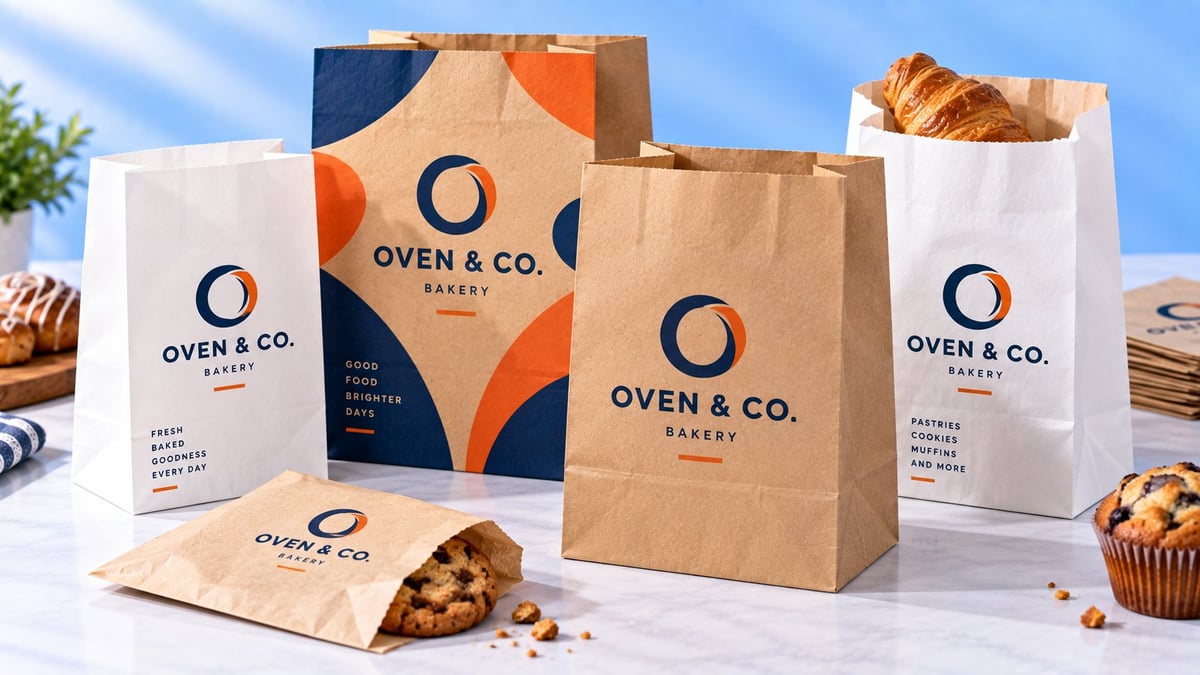
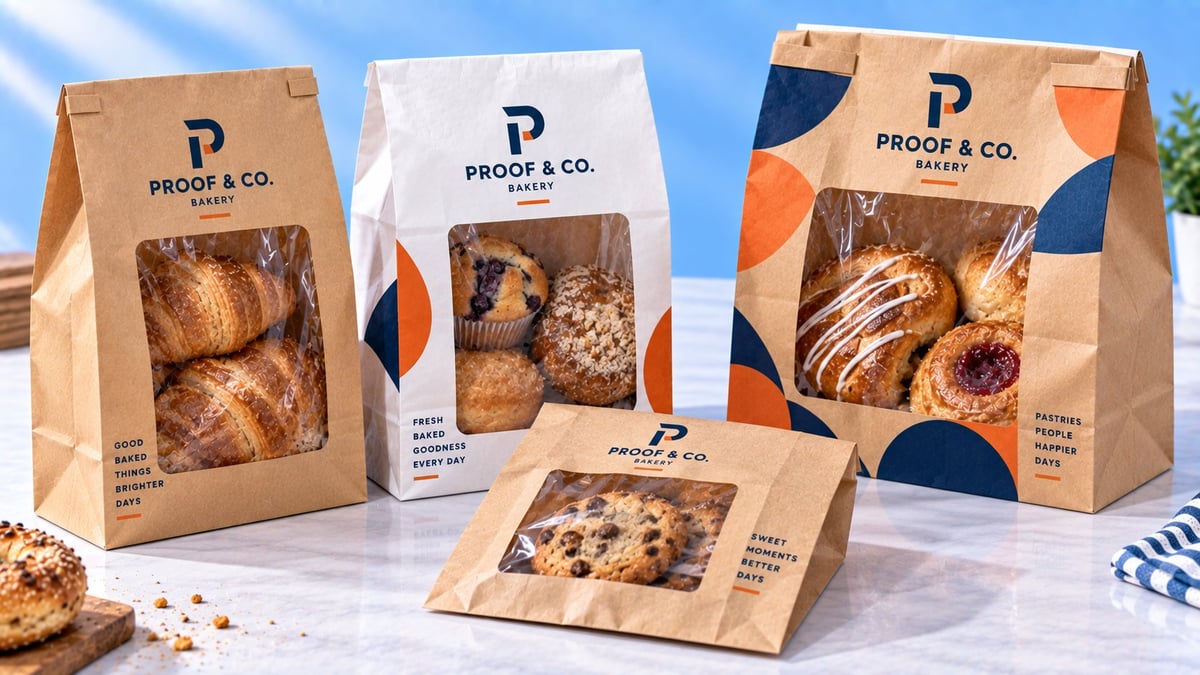
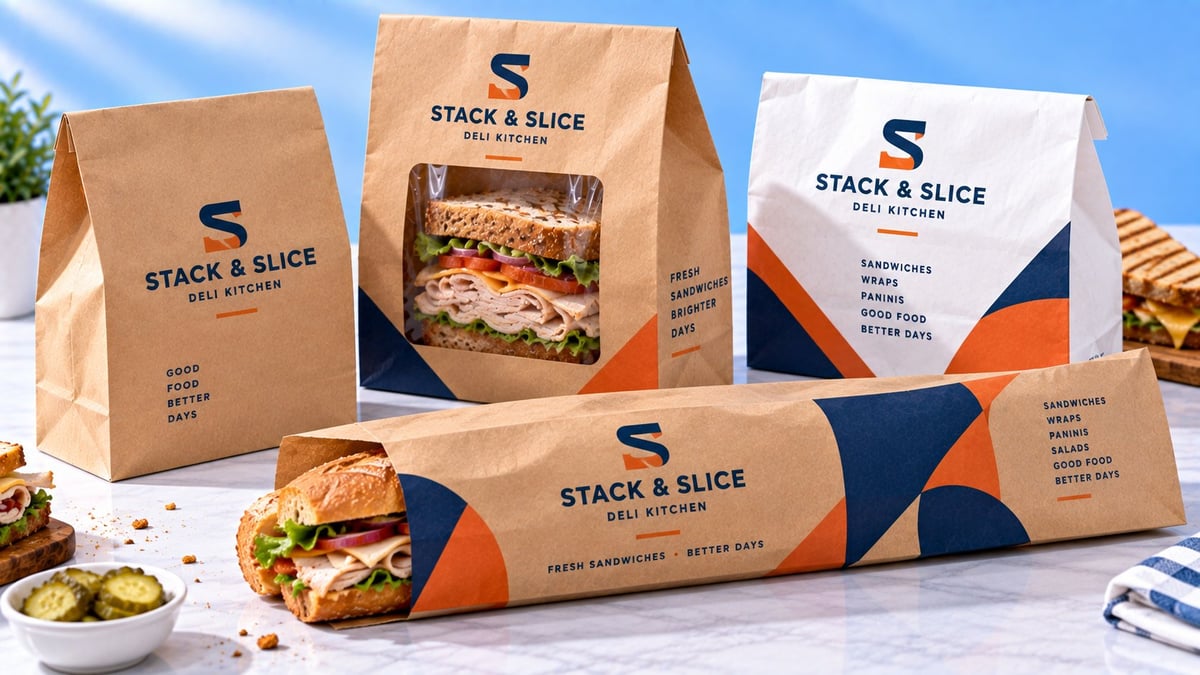
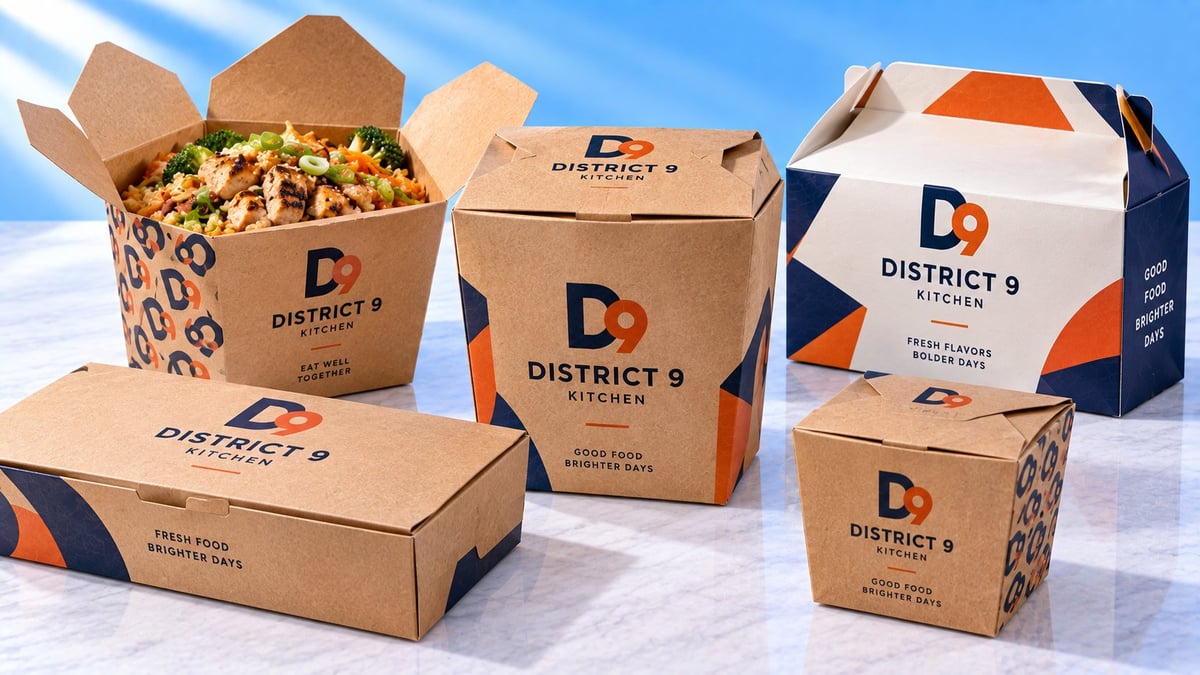
These are the counters inside the store that behave like small food businesses. Each needs its own format, and getting them onto a consistent mark is what ties the store together. Deli containers for cold service, bags and window formats for the bakery case, and boxes for prepared items.
Labels and the counter details
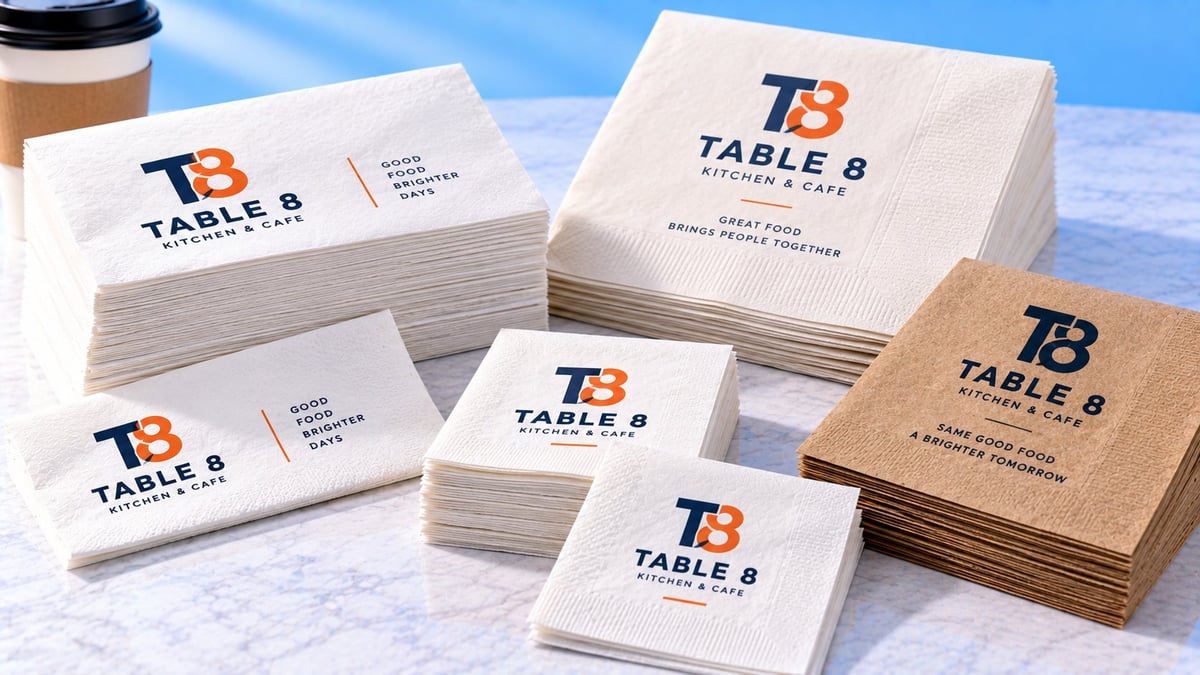
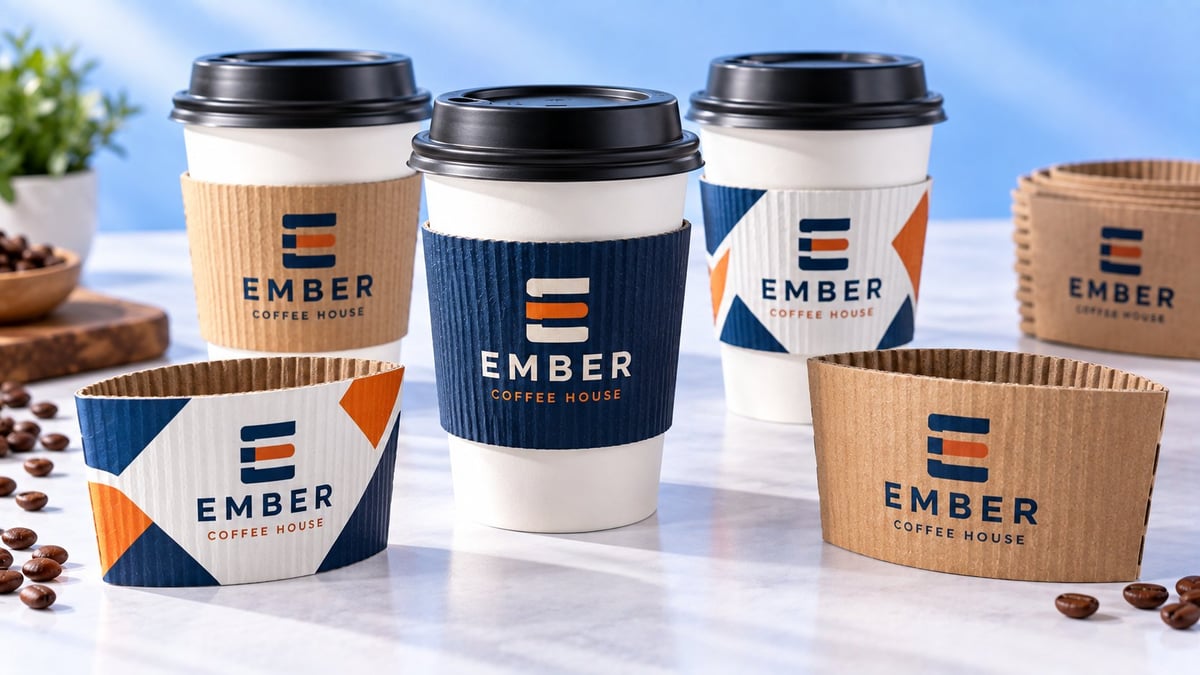
Labels carry pricing and product information and are the cheapest way to brand containers the store already buys. A printed napkin at the deli counter and a sleeve at the coffee station do the same job for the store's identity.
Ordering for a Grocery Operation
Quote at the volume you actually run. This is the one setting where the gap between a small test quantity and a real weekly volume changes the unit economics enough to change the decision, so it is worth telling us the real number even if you start smaller.
Planning the departments together is what makes the store read as one business rather than four. Tell us which counters you run and we will specify the formats so they share a mark, and quote them in one order so the freight and artwork setup are shared.
Tell us your storage constraint if you have one. Bags that compress and pack flat cost far less space than rigid formats, and that can matter more than a small unit cost difference.
Questions Grocery & Retail Ask
Should I use paper or plastic checkout bags?
Plastic handles weight and volume more economically and packs down smaller. Paper presents better and suits customers who prefer it. Many stores run both. We will not assert an environmental advantage for either unless it is verified for the specific product you order.
What volume do I need to order for good pricing?
Pricing is quoted at the volume you actually run, so tell us the real weekly or monthly number. A grocery operation's economics are driven by volume tier, and a small test quantity does not reflect what the same bag costs at scale.
Can I get matching packaging for all my counters?
Yes, and it is worth doing. Deli, bakery, produce and checkout formats with a shared mark make the store look like one business. Ordering them together also shares the artwork setup and the freight.
Do you supply labels for pricing and product information?
Yes. Labels are in the Foodservice family and can be ordered alongside the counter formats. They carry product information and are the cheapest branded surface in the store.
How much storage space does the packaging take?
It depends on the format. Bags compress and pack flat; rigid containers and boxes do not. If storage is tight, say so and we will account for it when specifying the formats.
Plan the Whole Store, Not One Department
Tell us which counters you run, the volumes you go through, and your storage constraint. We will specify the formats so they share one mark and prepare a digital mockup and pricing for the order.
Free digital mockup. Nationwide delivery from YaSeen WholeSale.