
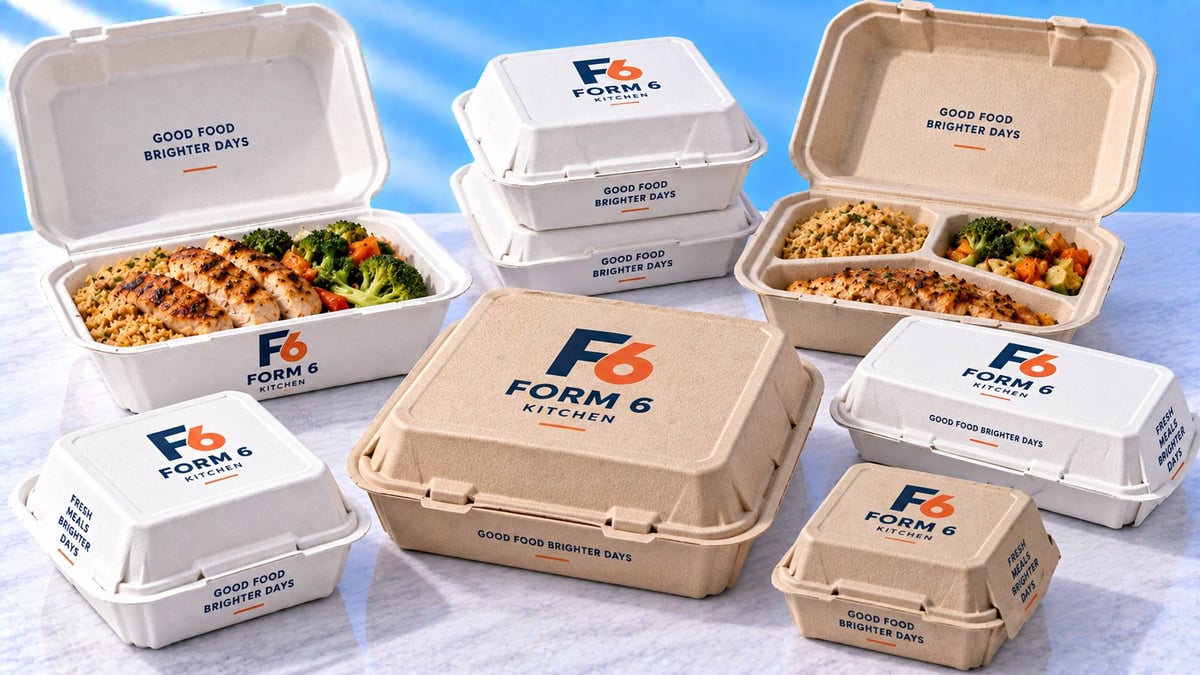
Custom Sugarcane Clamshells
Composed plates and takeout meals that need to arrive intact.
View & Configure →A takeout and foodservice packaging system for restaurants: containers, boxes, wrap, bags, napkins and labels chosen to survive the food and the journey.
A restaurant's packaging problem is different from a café's because the packaging is not carrying a drink, it is carrying food that leaks, steams, soaks and shifts. Everything a restaurant orders has to survive contact with the food first and the journey second, and those two constraints rule more options out than any preference does.
The second thing that makes restaurants different is that a single order is assembled from several products at once. A burger goes in a box, the box goes in a bag, a napkin goes in with it, a sauce goes in a portion cup, and if it is delivery, all of that has to arrive looking like it did when it left. Restaurants rarely buy one packaging item; they buy a system.
This collection is organized around that system. It covers the containers and boxes that hold the food, the wrap and paper that present it, and the bags and counter items that complete the order, all chosen for how they behave with the food rather than for how they look on a shelf.
These three are what end a container's usefulness, and they rule materials out rather than ranking them. Grease soaks through paper not built for it, steam softens a container with no barrier, and heat warps a material with the wrong tolerance. A burger, a salad and a soup in the same restaurant need different containers because the food is different, not because the menu is inconsistent.
Delivery is where weak packaging fails visibly and in front of the customer. A closure that does not hold under movement, a base that flexes when picked up, or a container that stacks badly in a bag will all show up as a complaint. If you deliver, the packaging has to be chosen for the journey and not just for the pass.
Anything served with a sauce, a side or a garnish needs the components separated or the dish arrives as one mixed thing. Compartment count is decided by the menu, and it is usually the first thing to settle on a takeout container before anything else is chosen.
A restaurant back-of-house is a working kitchen with limited storage, and packaging that does not nest or stack cleanly costs space every single day. Rigid boxes, clamshells and containers all store very differently, and nesting behaviour is a real constraint worth designing around.
A takeout bag is one of the few pieces of a restaurant's packaging that travels through public space and is seen by people who are not customers yet. That makes it the highest-visibility branded item a restaurant owns, and worth treating as a marketing surface rather than a utility.
A restaurant typically needs containers, bags, napkins and labels, which sit in three different product families. Sourcing them separately multiplies suppliers, delivery days and points of failure. Ordering as one program is usually the point of buying here.
Containers and boxes first, then wrap, bags and the counter items that complete an order. Each card opens the product page to configure size and print.
Composed plates and takeout meals that need to arrive intact.
View & Configure →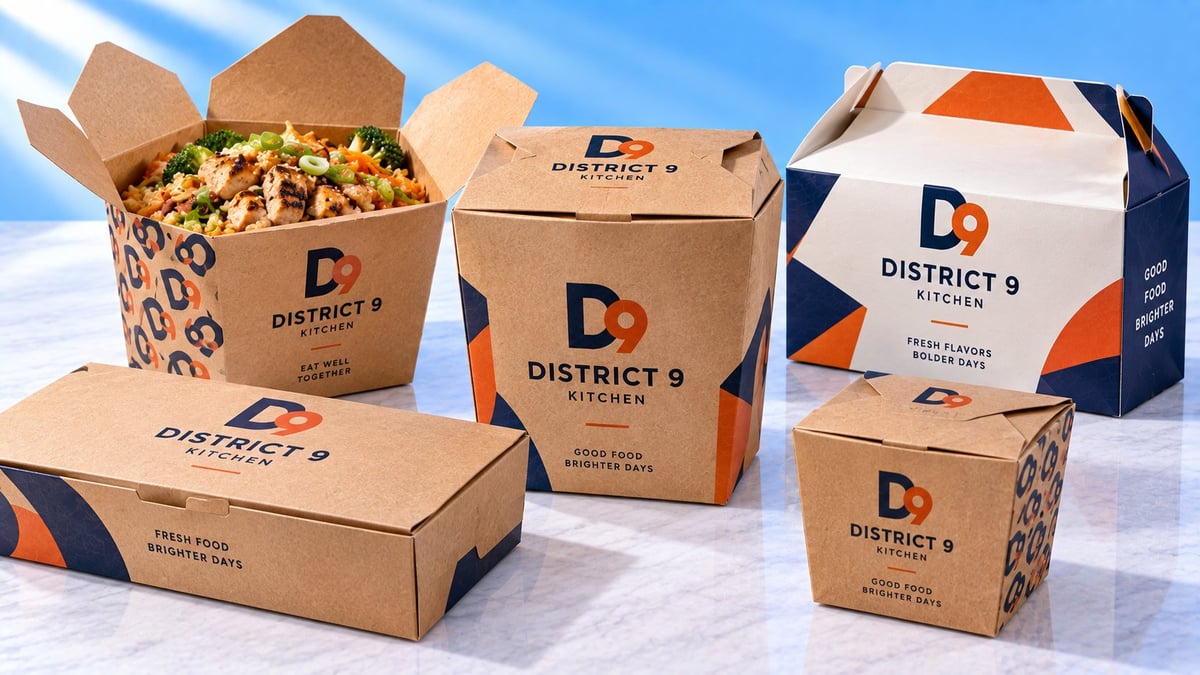
The general-purpose takeout box for hot food and catering.
View & Configure →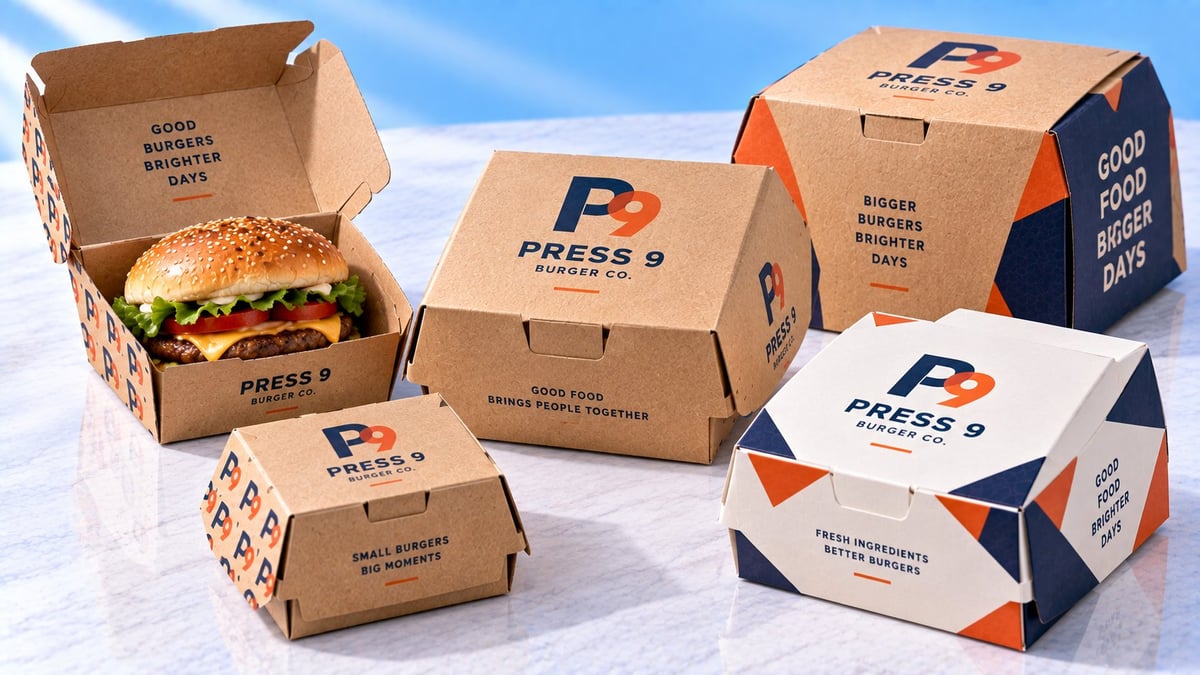
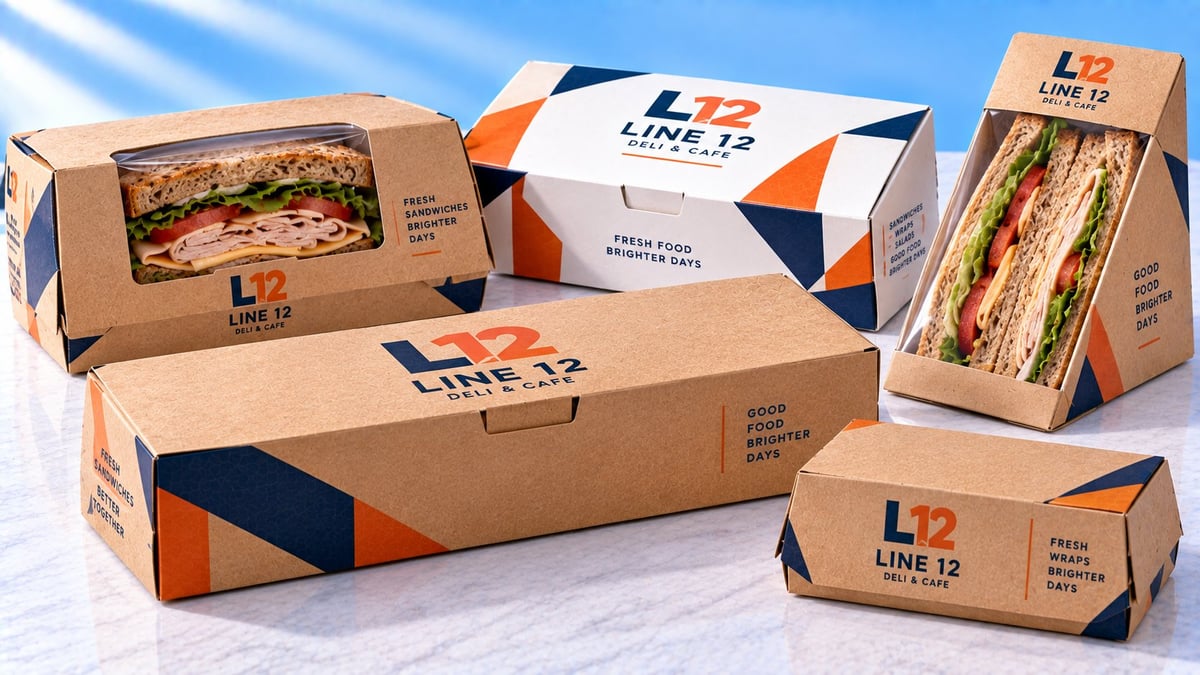
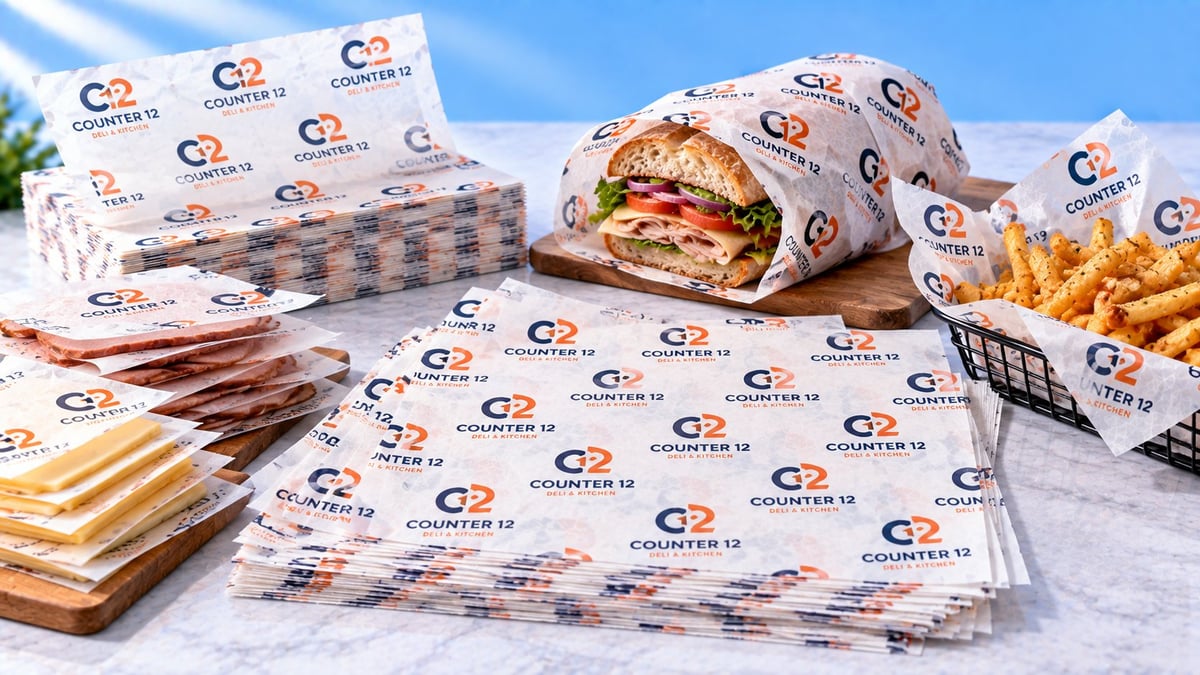
Presenting sandwiches and counter food that is handed over unwrapped.
View & Configure →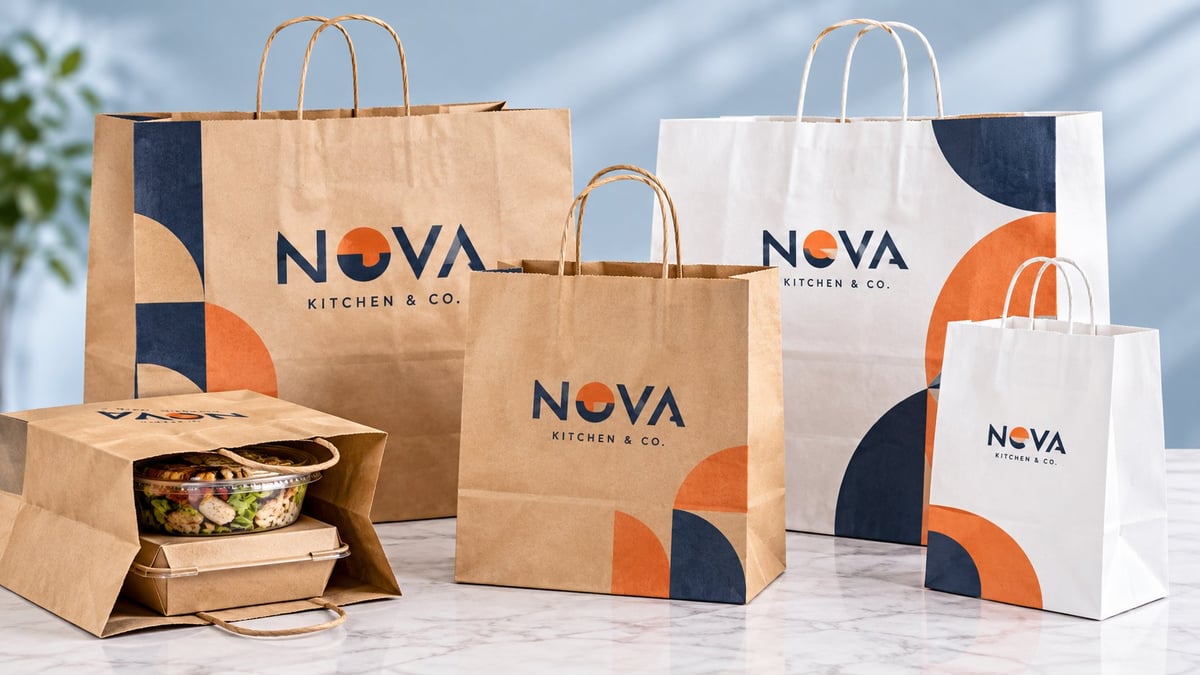
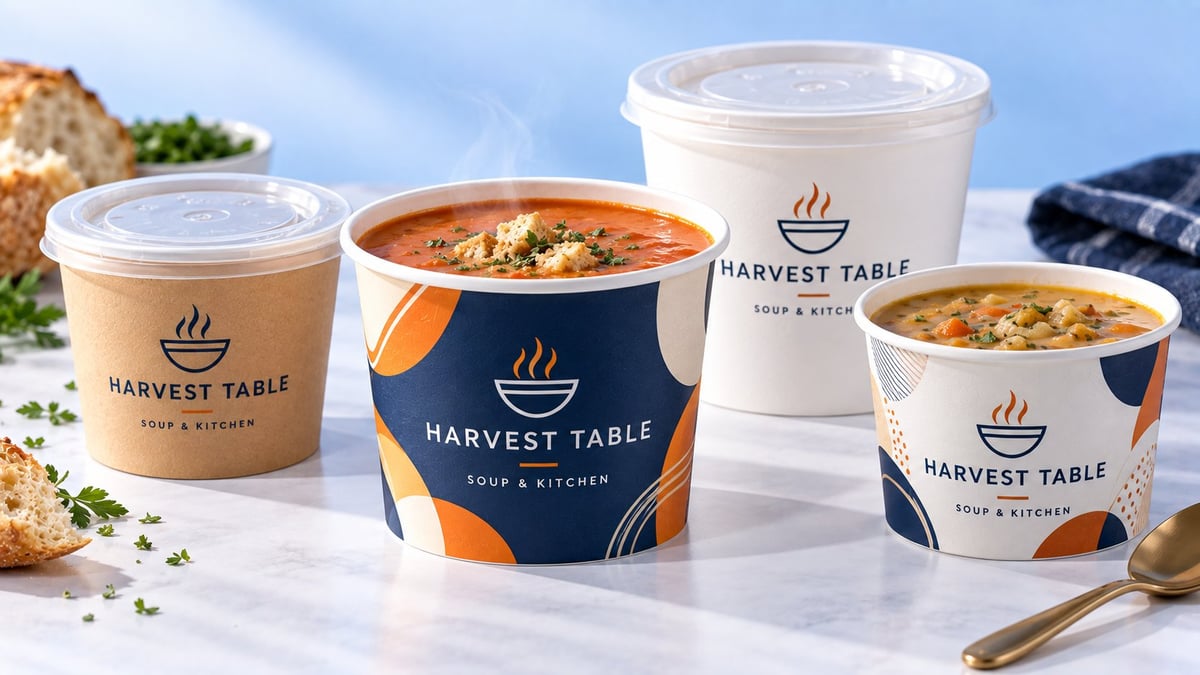
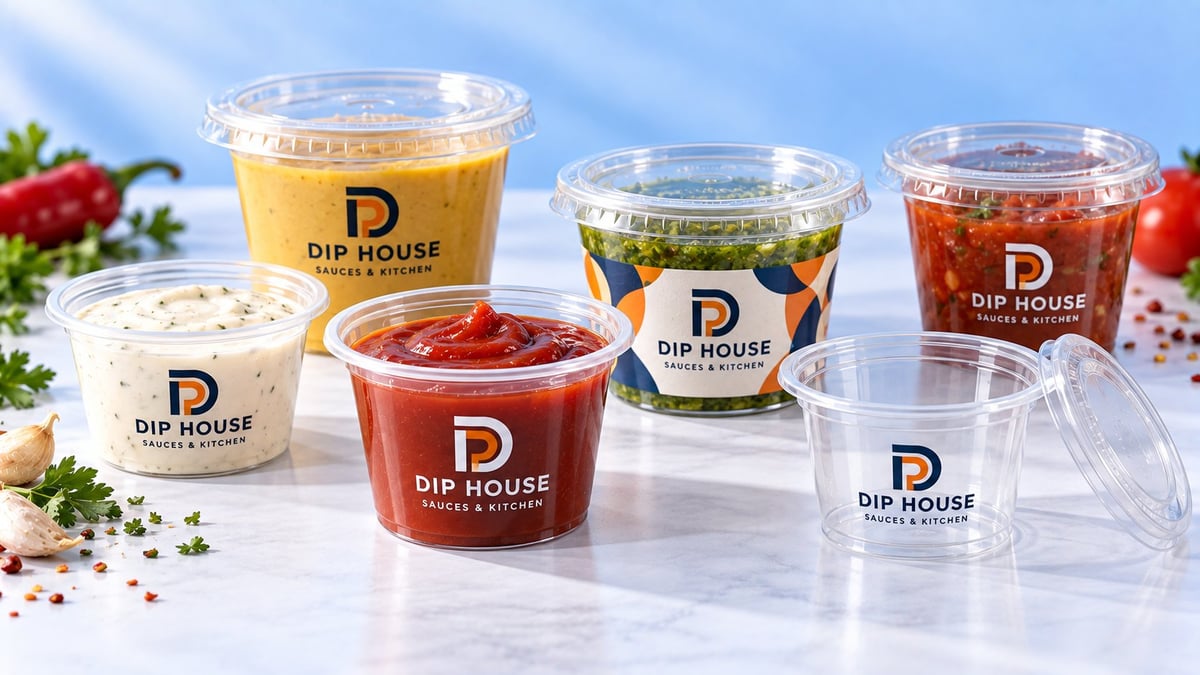
Sauces and dips sent alongside a dish, portioned so they arrive separate.
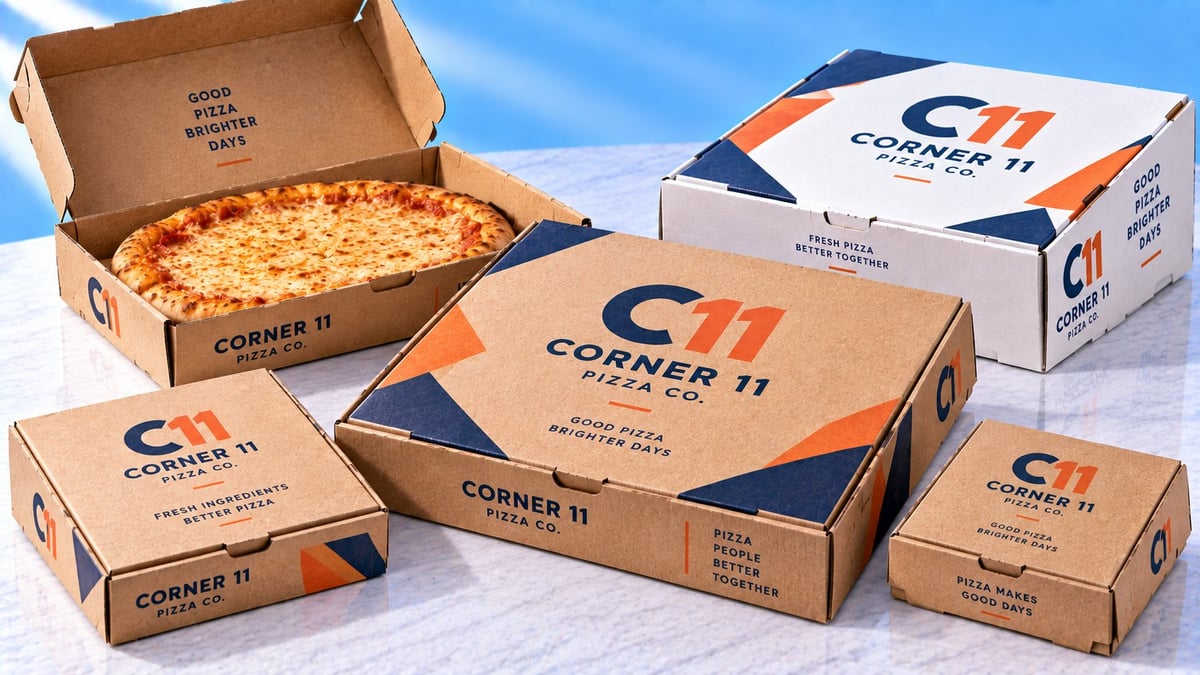
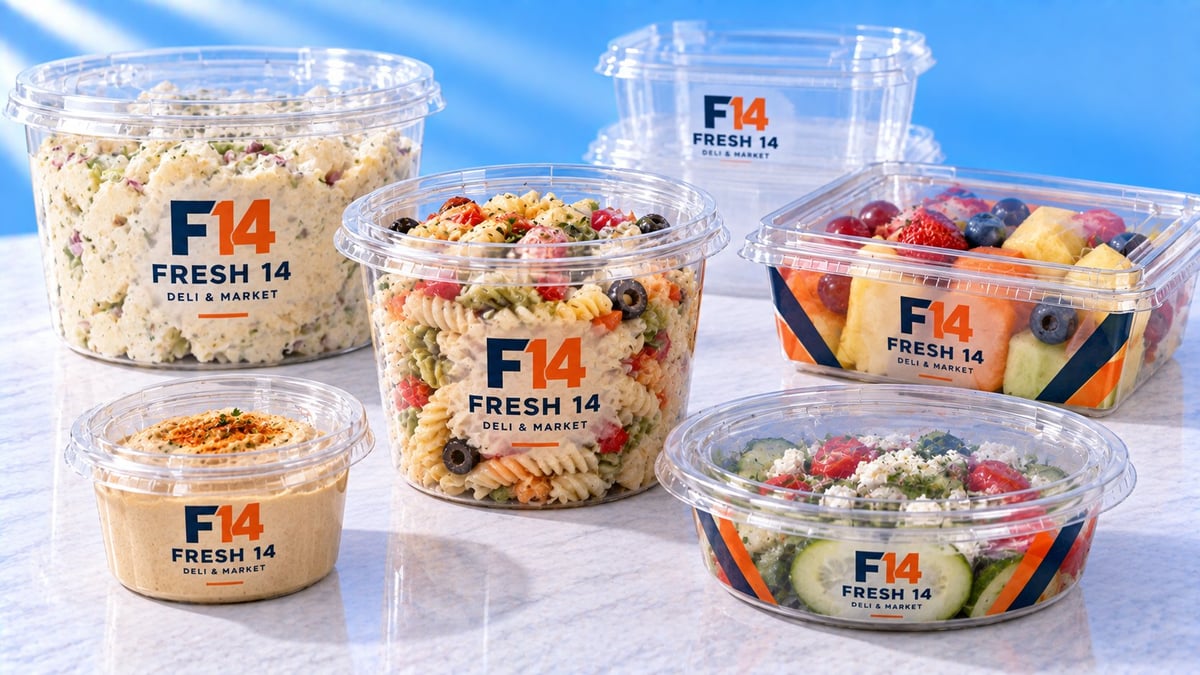
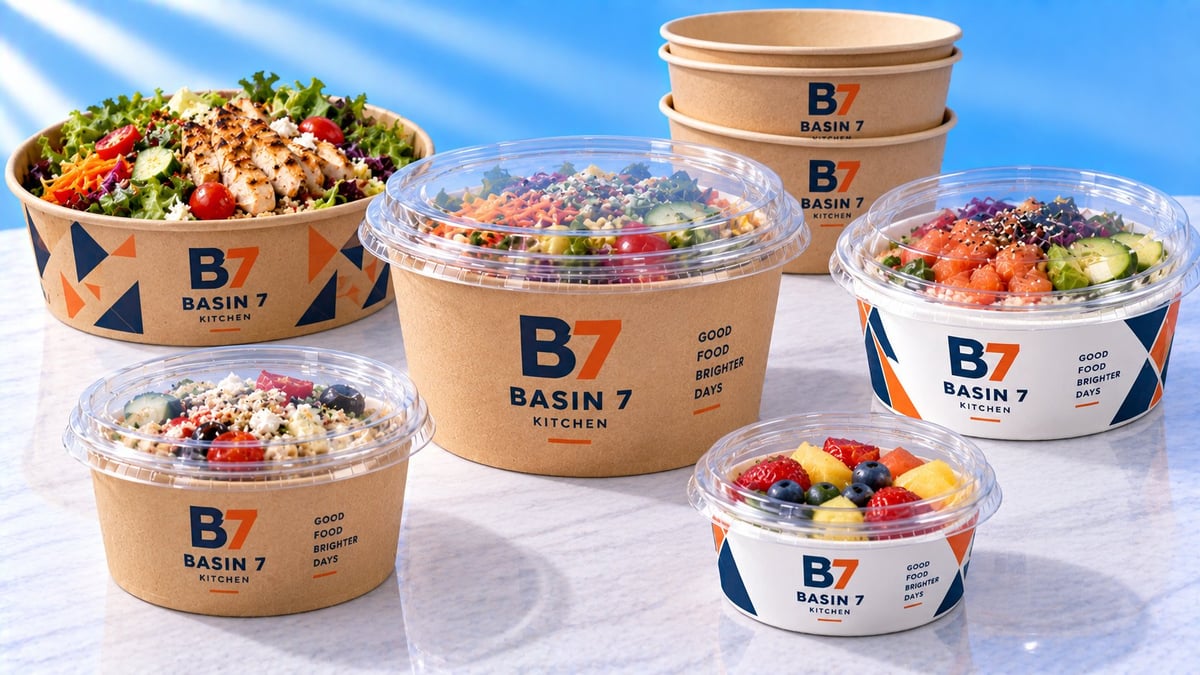
View & Configure →This is the decision the rest of the system follows from. A clamshell suits a composed plate that needs to arrive intact; a kraft box suits a burger or a hot sandwich; a deli container suits something served cold. The choice is driven by what the food is and whether it travels, and the compartment count follows from the menu.
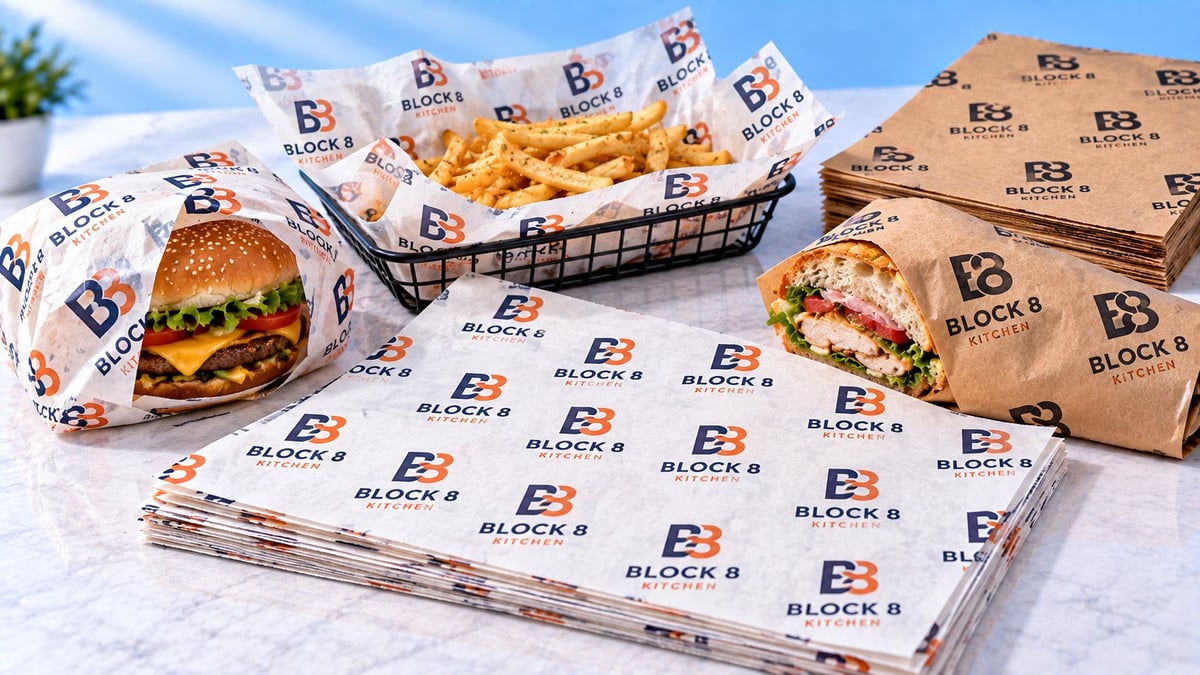
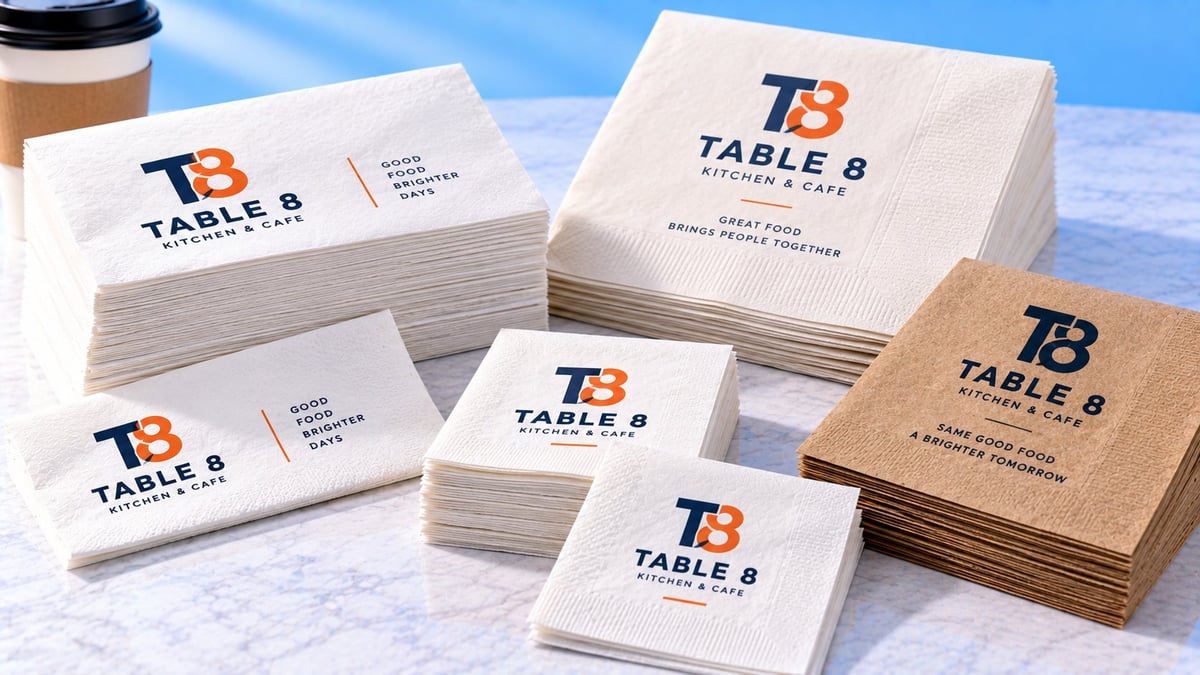
Not everything needs a container, and some food presents better wrapped or lined. Greaseproof and deli paper wrap directly, line baskets and trays, and put your name on food that is handed over without a lid. This is the lowest-cost branded surface per order a restaurant has.
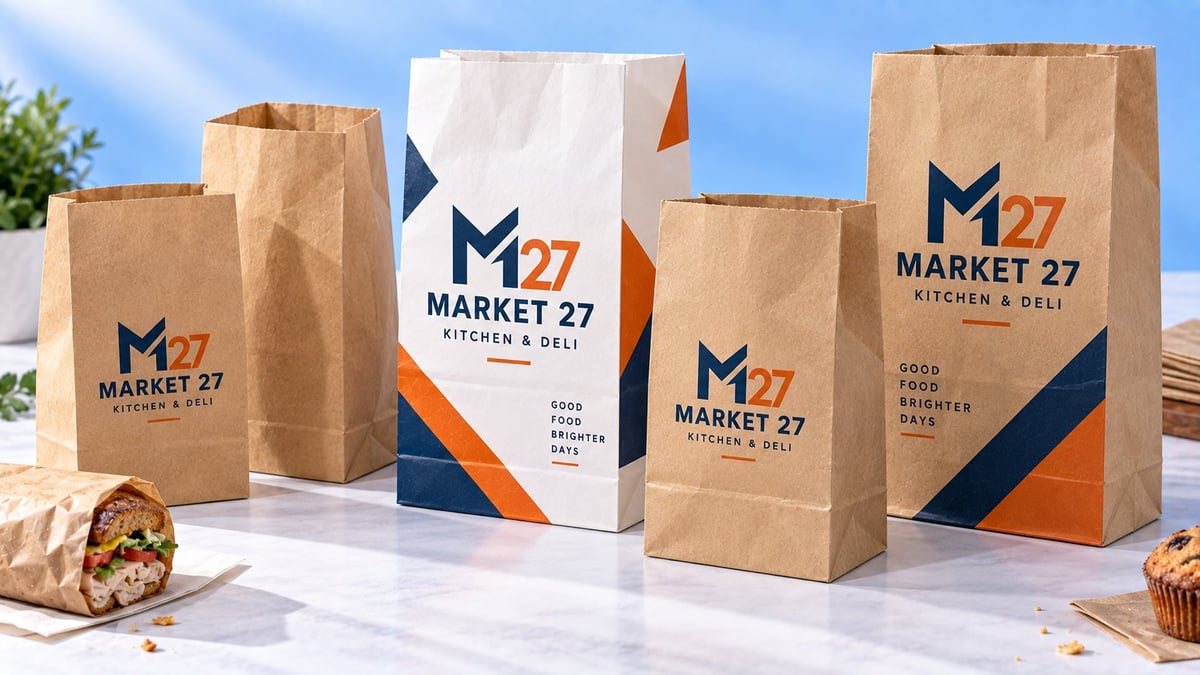
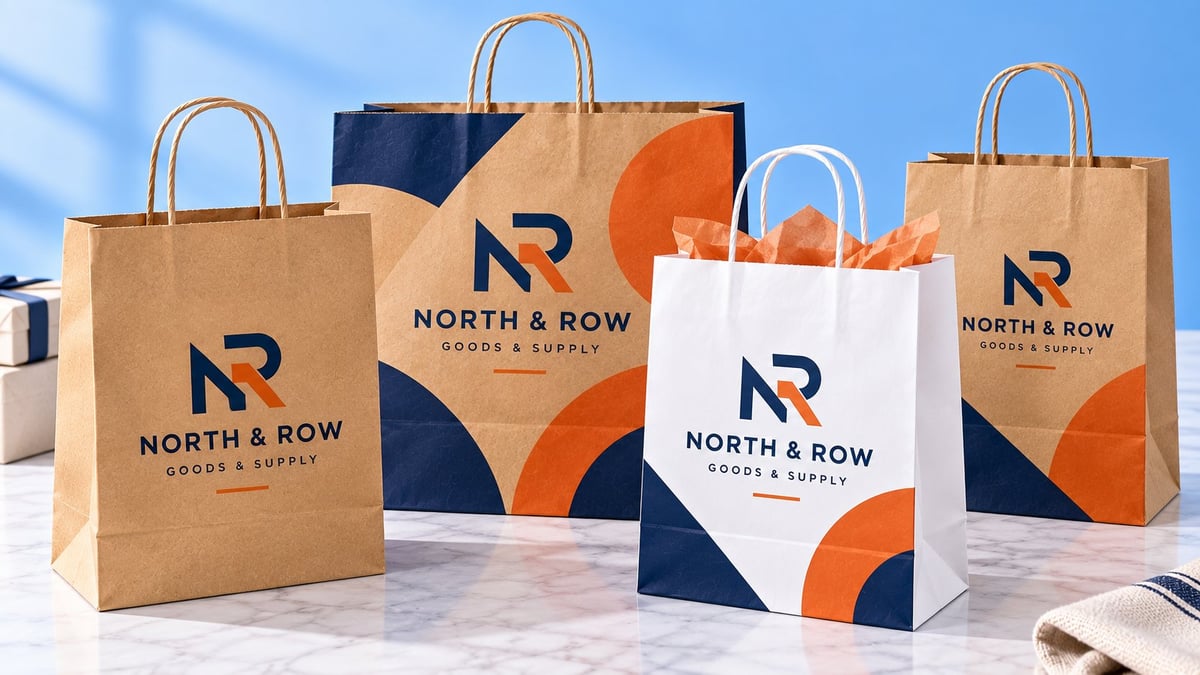
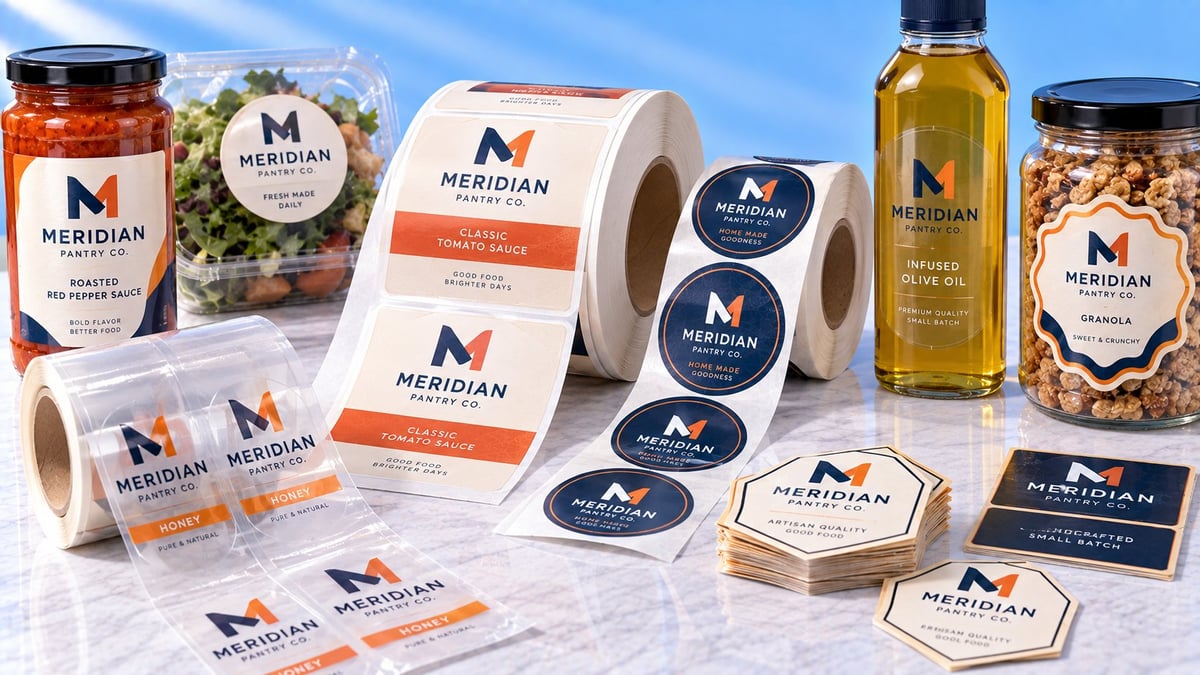
The bag is the last thing the customer touches and the only part of the packaging that travels through public space. Takeout and SOS bags carry the load and the branding; labels and napkins finish the order and are the items most often forgotten when a restaurant orders.
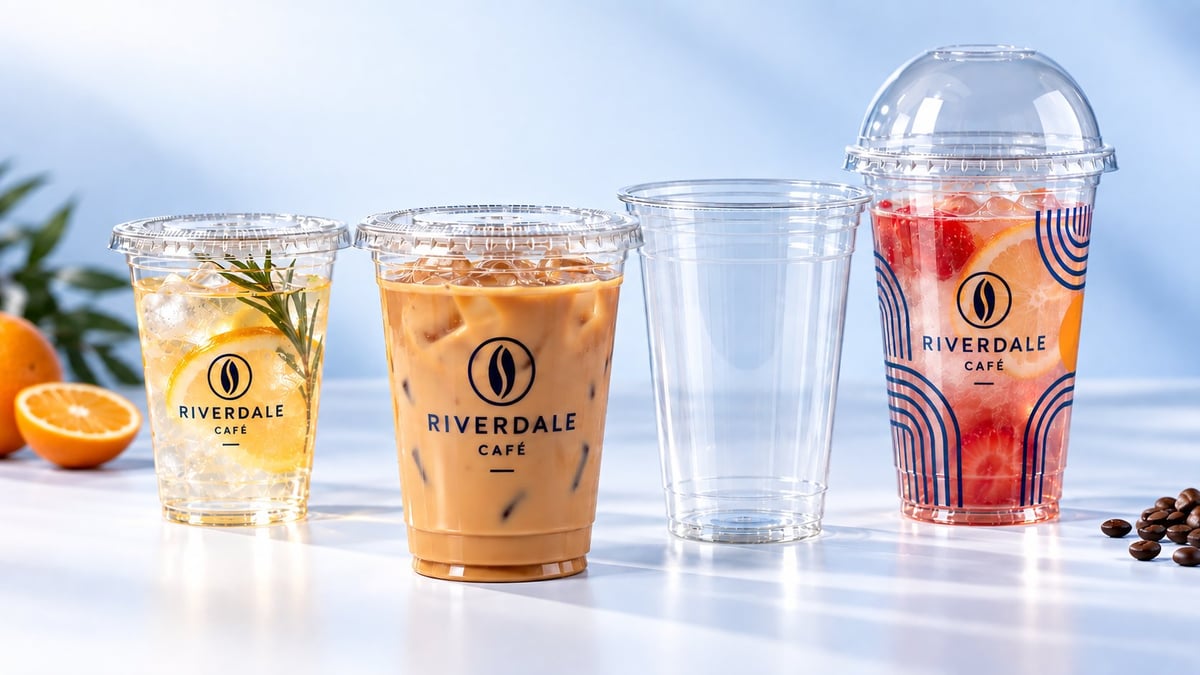
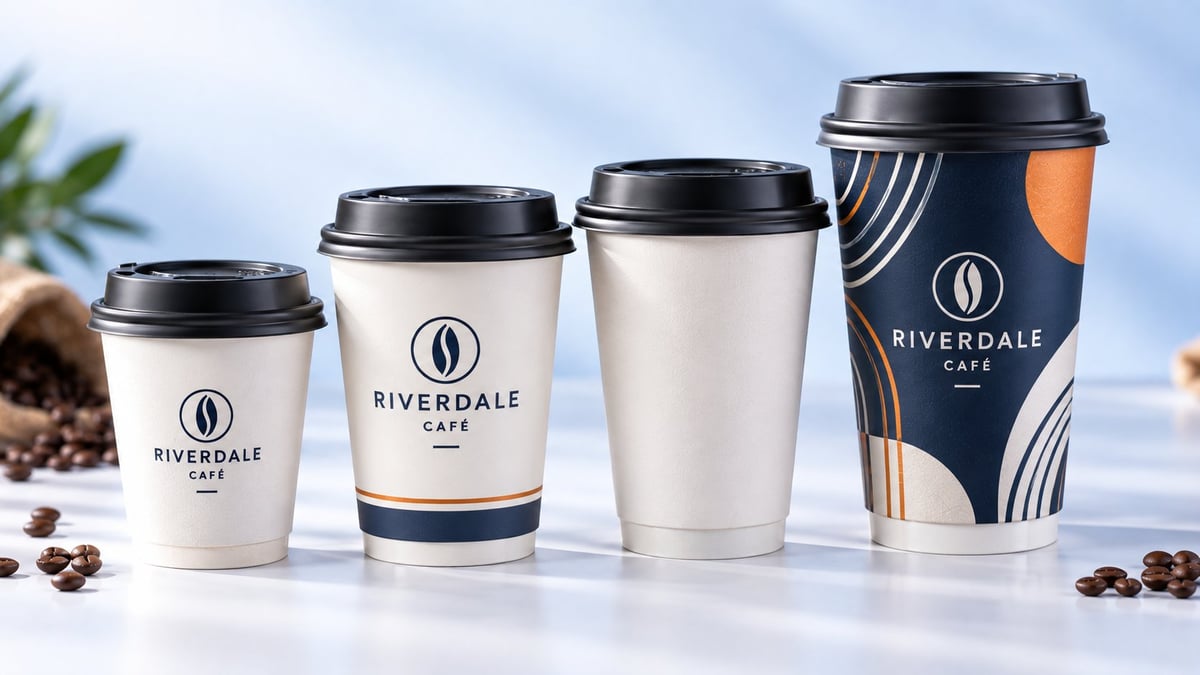
Any restaurant with a beverage menu is running a small café program alongside its food program. Cold drinks take clear PET; hot drinks take an insulated paper wall. If you are building the food system, it is worth checking the drink system at the same time so they arrive together.
Start with the food and the journey, not with the container. Tell us what is on the menu, whether it travels or is eaten in, and how many components sit in a typical order. Those three answers narrow the containers before you compare anything, and they are what we quote against.
Most restaurants get the best economics from quoting the whole takeout system at once, because artwork setup and freight are shared across the order and the products ship together. If your menu changes seasonally, tell us which items you reorder predictably so the repeat can be priced as a repeat.
Freight matters more here than in most families, because rigid boxes and containers are bulky relative to their value and do not compress. Minimums and freight for the specific products are confirmed with your quote.
Tell us whether the dish is hot or cold, greasy or dry, and whether it travels or is eaten in. Those three answers rule most options in or out before you compare the rest, and we will narrow it from there.
Yes, and for a restaurant that is usually the better way to buy. A takeout system spans several products, and quoting them together gives you one delivery and one point of contact.
That depends on the closure and the base, which is why we ask how the order travels rather than assuming. Tell us whether it goes by bike, car or counter handoff and we will specify for that.
We do not make those claims publicly. Where a property like compostability, heat tolerance or microwave suitability is verified for a specific product, we state it for that product, and where it is not verified we do not assert it.
Yes. The container and the bag are separate pieces with different surfaces, so the artwork is resolved for each. The mockup stage is where you see how the design sits on both.
Tell us what is on the menu, whether it travels, and how many components sit in a typical order. We will match the containers to the food and prepare a digital mockup and pricing for the whole system.
Free digital mockup. Nationwide delivery from YaSeen WholeSale.