
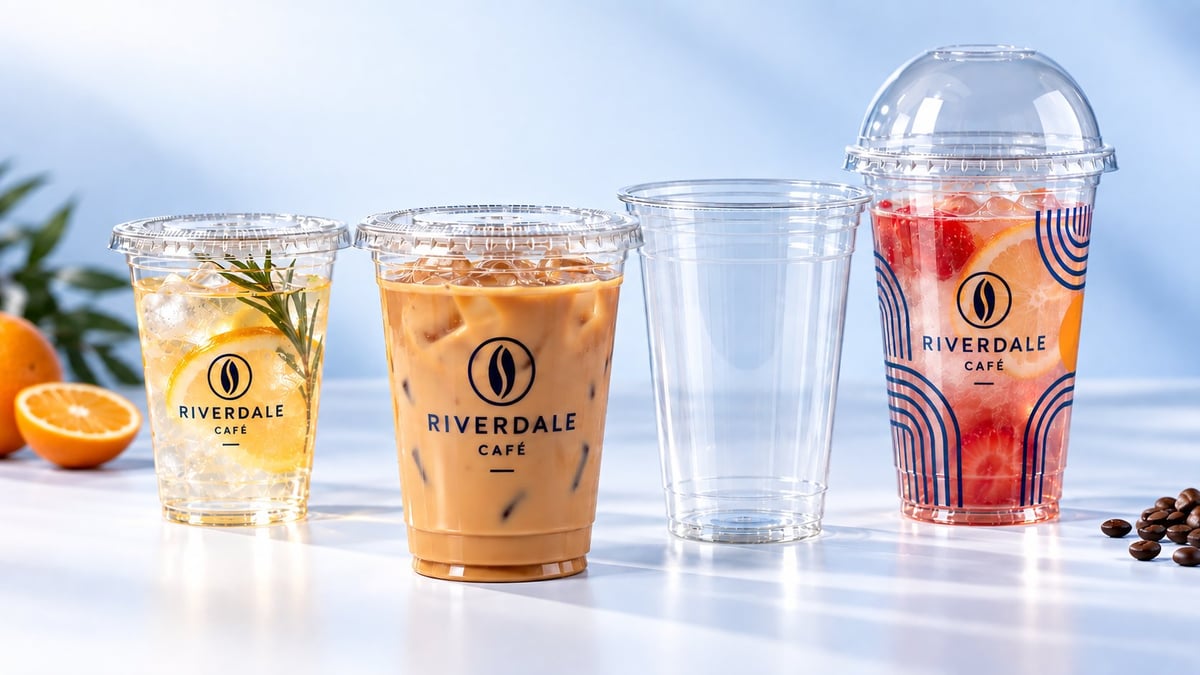
Custom PET Cold Cups
Clear cups for iced drinks, with the lid chosen to suit what sits on top.
View & Configure →A complete branded packaging program for cafés and coffee shops: the cups, lids, sleeves, carriers, coffee pouches and counter items one coffee service actually goes through.
A café runs on a small number of packaging items, used constantly, in front of the customer. That is what makes it different from almost any other packaging decision: the cup is not a container the drink arrives in, it is the thing the customer holds for ten minutes while standing in your shop, and it is the last physical object they leave with.
The practical consequence is that café packaging is a program rather than a purchase. A hot drink needs a cup and often a sleeve or a double wall; a cold drink needs a clear cup and a lid that suits what is on top of it; a multi-drink order needs a carrier; and the coffee you sell by the bag needs its own packaging entirely. Ordering these as four unrelated line items from four pages is how a café ends up with lids that do not seat and sleeves that do not fit.
This collection is organized around that program. The products below are the ones a coffee service genuinely goes through, grouped by the part of the counter they serve, so you can see the whole order rather than assemble it one page at a time.
This is the most common and most expensive mistake in café packaging, and it is entirely avoidable. A lid is not universal across cup styles, and neck fit is not visible in a product photo. Ordering cups and lids as one confirmed specification, rather than two separate line items, is the single change that prevents it.
A café almost always runs both, and they need different products rather than one compromise. Hot drinks take an insulated paper wall; cold drinks are usually served in clear PET so the drink is visible. Treating them as one category usually means getting one of the two wrong.
Counter space is the binding constraint in most cafés, not budget. Ordering a size for every possible drink means storing a size for every possible drink. Most cafés are better served by two or three sizes that cover the menu, and this is worth settling before artwork is designed.
The cup, the sleeve, the carrier, the napkin and the retail coffee bag are all seen by the same customer, often in the same visit. They do not need to be identical, but they need to read as one business. Planning them as a set is what makes a small café look established.
A drink handed across the counter and a drink that goes onto a delivery bike are under different loads. Bagged drinks need a lid that stays seated under movement, and multi-drink orders need a carrier that does not fold. How your drinks travel changes what you should order.
If you sell beans or ground coffee, that packaging is solving a different problem from the cup: it has to protect the coffee and sell it from a shelf. It is a retail decision inside a counter business, and it is why coffee pouches sit in this program alongside the cups.
Every product below is one a coffee service genuinely goes through. Each card opens the product page where you configure size, print and quantity.
Clear cups for iced drinks, with the lid chosen to suit what sits on top.
View & Configure →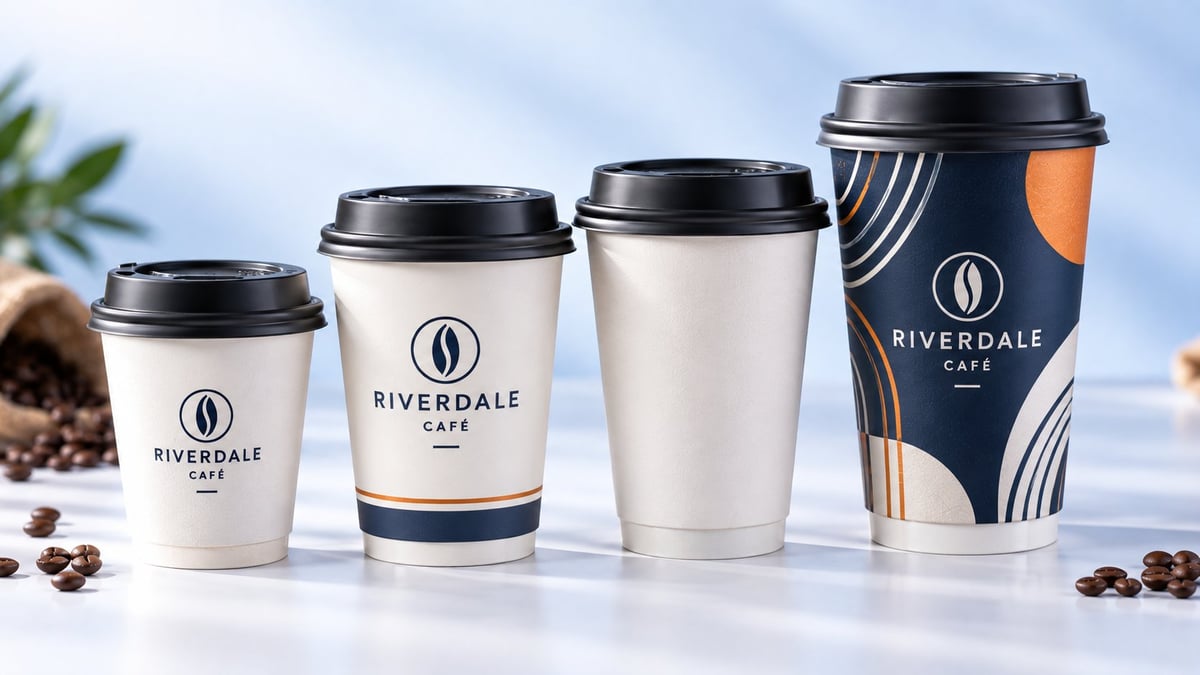
Insulated hot cups that need no sleeve, leaving the full wall for artwork.
View & Configure →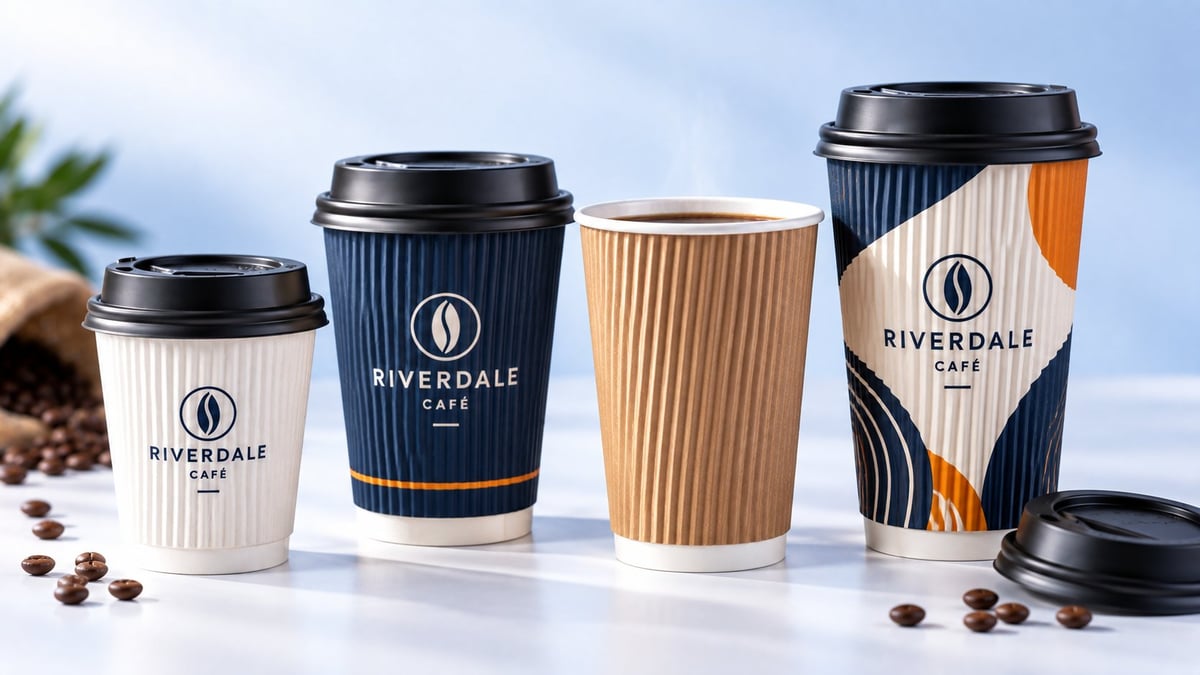
Textured hot cups for cafés where the cup itself is part of the presentation.
View & Configure →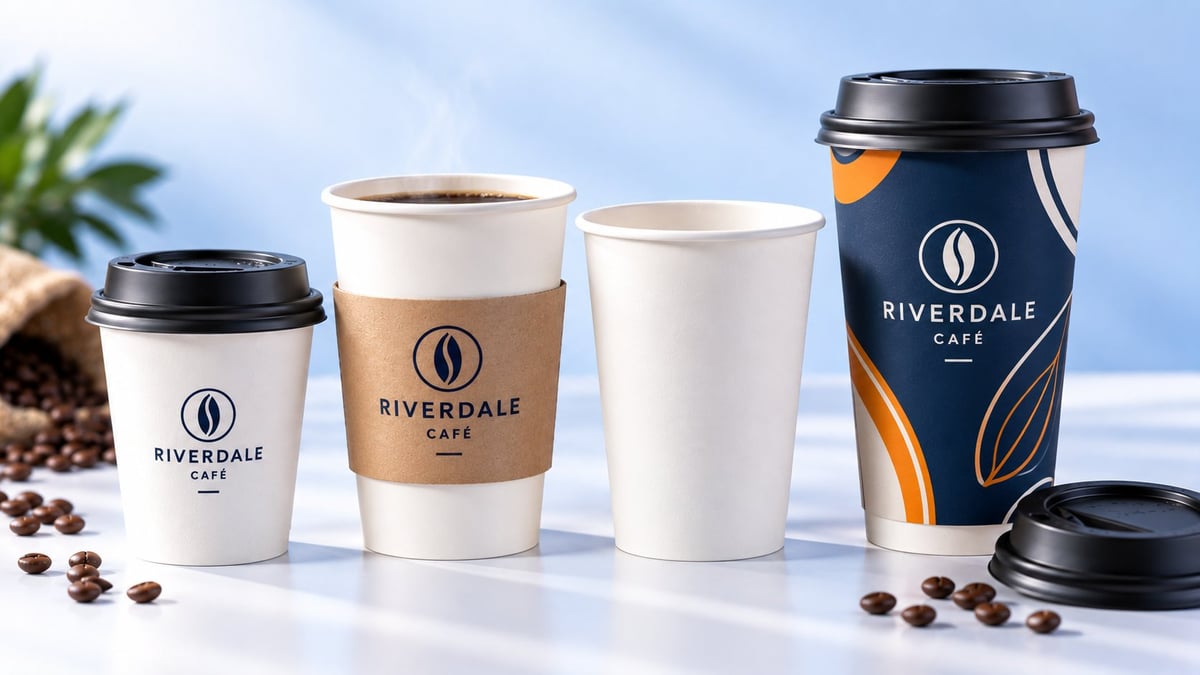
The economical hot cup, usually paired with a printed sleeve.
View & Configure →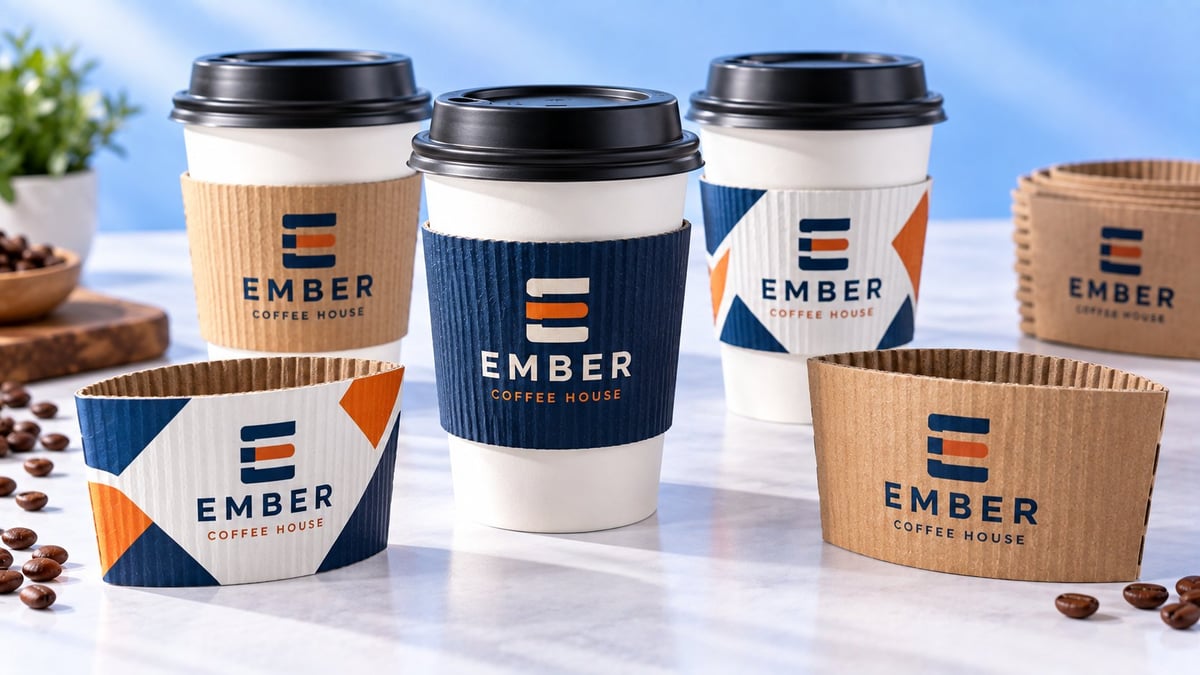
Adds insulation and a second branded surface to a single-wall cup.
View & Configure →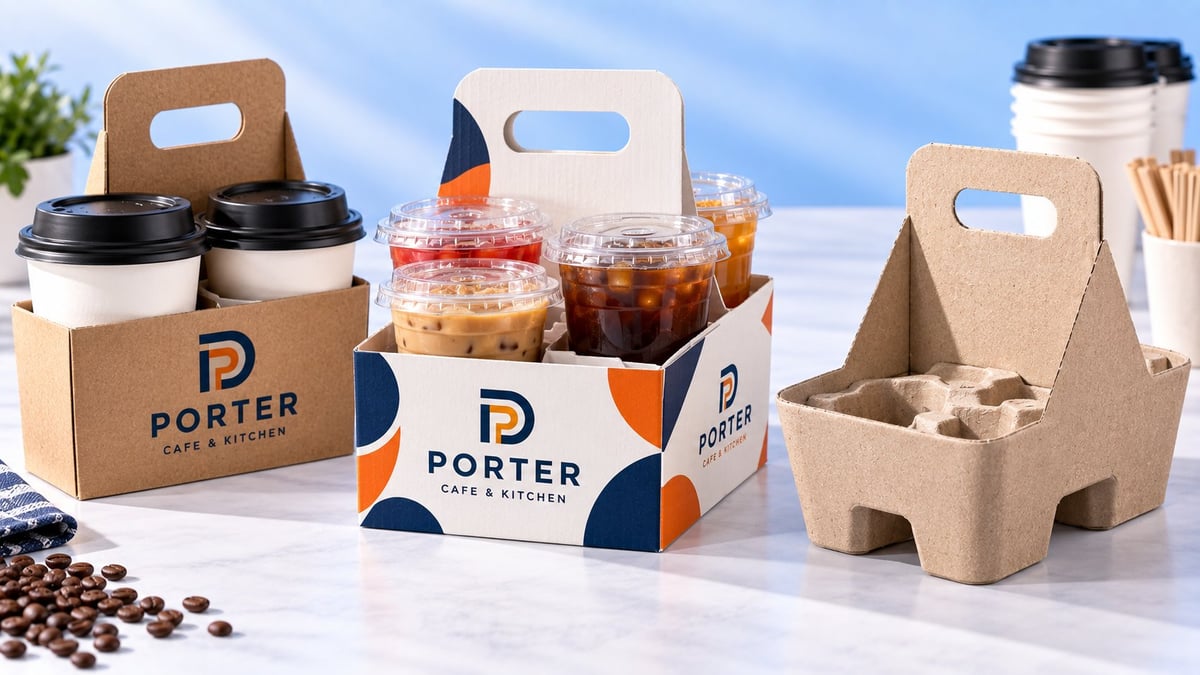
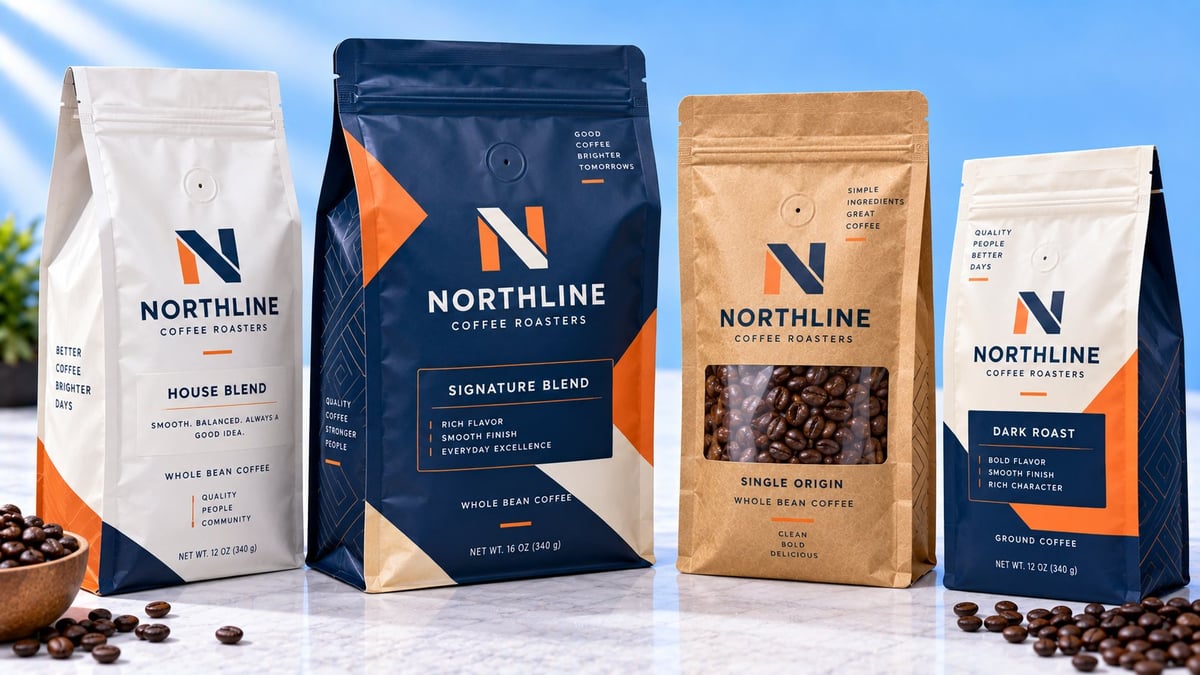
Retail packaging for beans and ground coffee sold off the counter.
View & Configure →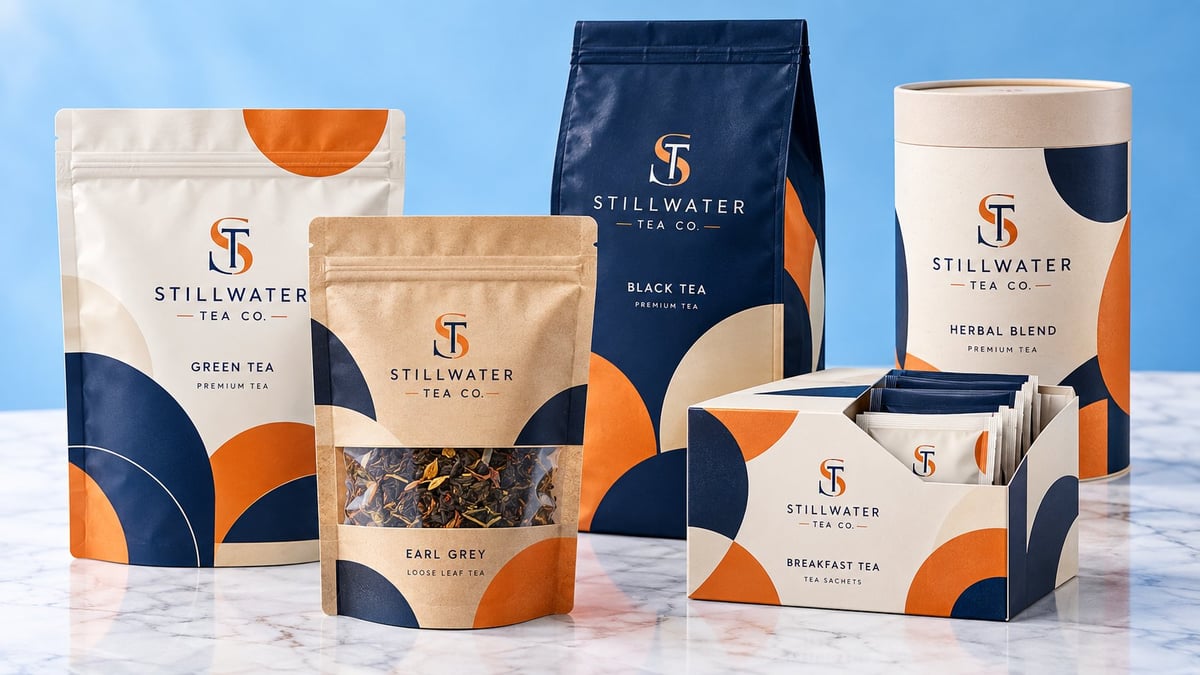

A hot drink is a cup, a lid, and a decision about insulation. A single-wall cup is the economical route and usually pairs with a printed sleeve, which gives you a second branded surface and solves the heat at the same time. A double-wall or ripple-wall cup removes the sleeve and hands the entire outer wall to your artwork. This is a choice about how much surface you want branded, not a quality tier.
Cold drinks are usually served in clear PET so the drink is visible, which makes the cup wall a large printable surface with the drink showing through around it. The lid is the real decision here: flat keeps the profile clean and stacks well, dome gives headroom for whipped cream or cold foam, and sip suits a drink being drunk through a lid.
As soon as a customer orders for more than themselves, the drink has to be carried. A printed carrier turns that from a juggling problem into a branded object moving through the street, which is the cheapest brand exposure a café gets.
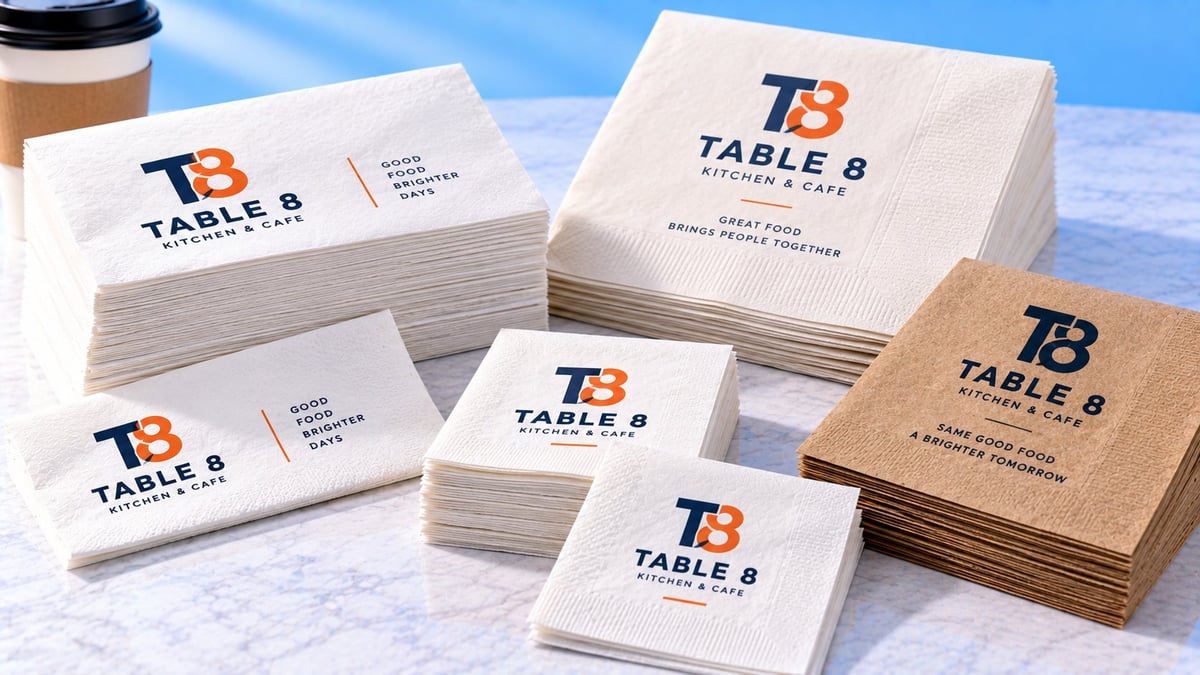
These are the items that carry your brand without holding a drink: a napkin set down with a pastry, and the pouch your retail beans are sold in. Neither is glamorous and both are seen constantly. The coffee pouch is a retail decision and needs a structure that protects the coffee, so it is specified on its own terms rather than as a cup accessory.
The one thing worth slowing down for is that cups, lids and sleeves are confirmed as a matched set. If you already buy lids or sleeves elsewhere, send us the cup you are using and we confirm the fit before quoting rather than after delivery. If you are replacing the whole set, they are specified together in one order.
Cafés usually get the best economics from ordering the counter program together rather than item by item, because the artwork setup and the freight are shared across the order. If your menu changes seasonally, tell us which items you expect to reorder predictably, because repeat ordering is priced differently from a first run.
Minimums, size ranges and freight all depend on the specific products and quantities, so they are confirmed with your quote rather than published as fixed figures.
Yes, and for a café it is the way we would recommend. They are specified together so the fit is confirmed as one matched set rather than assumed across three separate orders.
It depends on where you want your artwork. Double-wall and ripple-wall cups give the full outer wall to your design and need no sleeve. Single-wall cups are more economical and pair with a printed sleeve, which adds a second branded surface. Both are legitimate; it is a choice about surface area, not quality.
The artwork can match, but the two cups are different products with different surfaces, so placement is resolved separately for each. The mockup stage is where you see how the design sits on each one.
Yes. Repeat orders are a normal part of how cafés buy here, and we keep the specification on file so a reorder does not restart the process from artwork.
Then order two. There is no reason to carry a size your menu does not use, and limiting the range is usually the right call for counter space. Tell us the sizes that cover your menu and we will quote those.
Tell us what you serve, which sizes cover your menu, and how drinks leave your counter. We will confirm the cups, lids and sleeves as a matched set and prepare a digital mockup and pricing for the whole program.
Free digital mockup. Nationwide delivery from YaSeen WholeSale.