
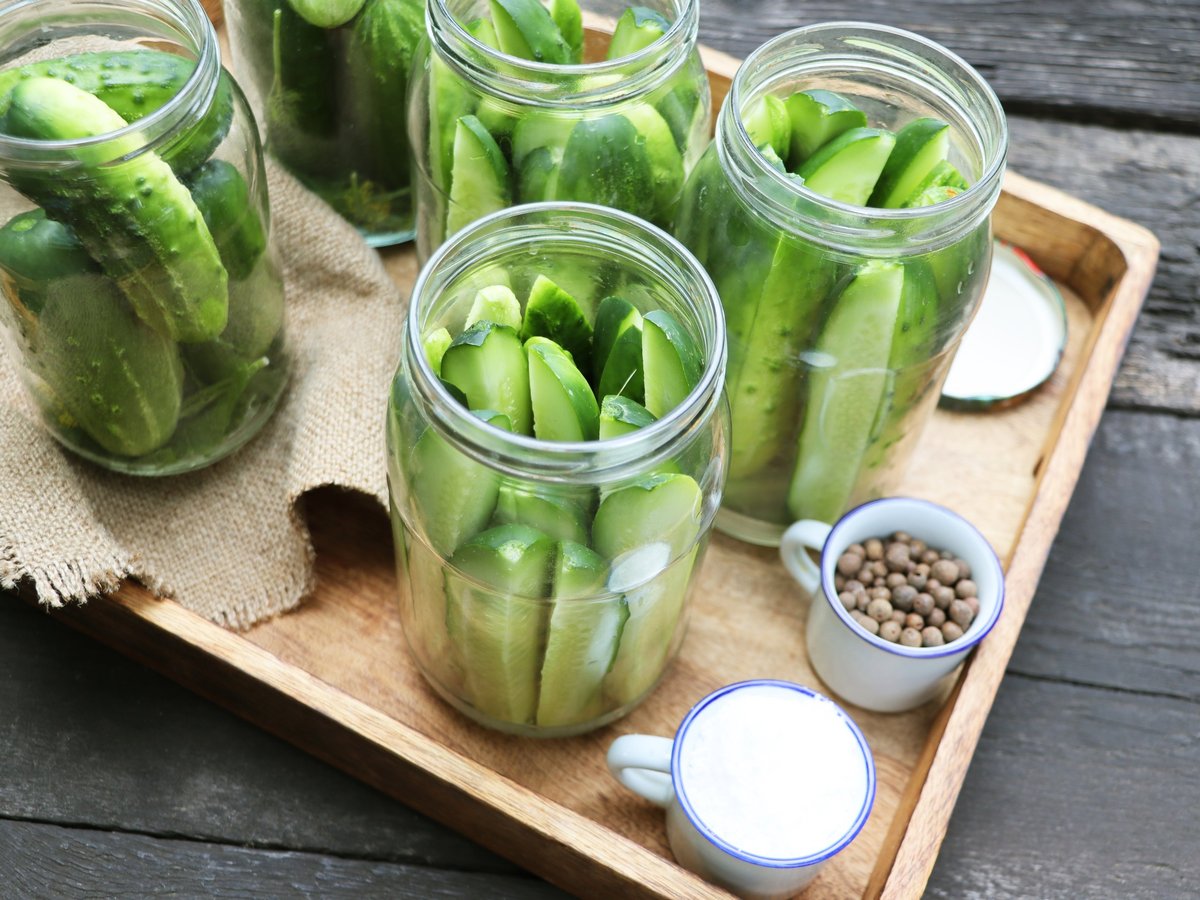
Custom Glass Bottles
Retail bottles for sauces, oils, vinegars and dressings, with a matched closure.
View & Configure →Packaging for sauce, dressing and condiment producers: bottles and jars with matched closures for retail, portion cups for foodservice, and labels that carry product information.
A sauce or condiment business sells the same product two ways, and they need completely different packaging. Retail means a bottle or a jar on a shelf with a closure that seals and a label that carries the required information. Foodservice means portion cups and bulk containers that are opened, used and thrown away.
That split is what defines this collection. Plenty of sauce businesses start in one and move into the other, and the packaging that serves each is not interchangeable. A retail bottle is a product in itself; a portion cup is a delivery mechanism for the same sauce served alongside someone else's food.
The other thing that makes this category its own problem is that sauce is difficult. It is acidic, it can be thick enough not to pour, it separates, and it stains. Every one of those affects the closure, the container and how the label behaves, which is why closures are confirmed as a matched pair rather than assumed to fit.
This is the defining requirement of the category. A cap that does not seal is not a cosmetic problem, it is a ruined case and a product failure. Neck finish determines compatibility and it is not visible in a photograph, which is why the container and its closure are specified as one matched pair and confirmed before quoting.
A thick sauce, a thin dressing and a chunky condiment need different dispensing. A sealed cap suits a product opened once; a pourer suits oil and vinegar; a wide-mouth jar suits something spooned out; a squeeze format suits a thick sauce applied directly. How the customer gets the product out is a closure decision, not a container decision.
These are two different businesses wearing one name. Retail needs shelf presence, a seal and a label. Foodservice needs portion control and cost per unit at volume. Working out which one you are actually buying for is the first thing to settle here.
Sauces and condiments carry ingredient, weight and origin information that has to be right and has to fit. The label is also the entire brand presence on a retail shelf, so placement and area matter more here than on almost any other product.
Acidic sauces and staining condiments affect how a label adheres and how a container behaves over time. Tell us what is in the product rather than only what it looks like, and the material and label are specified for it.
If the product goes into glass, freight is a larger share of total cost than in any other category because the product is heavy and has to arrive intact. Case packing is confirmed with the quote rather than assumed.
Retail bottles and jars first, then foodservice portion formats and the labels that carry product information. Each card opens the product page to configure capacity, closure and print.
Retail bottles for sauces, oils, vinegars and dressings, with a matched closure.
View & Configure →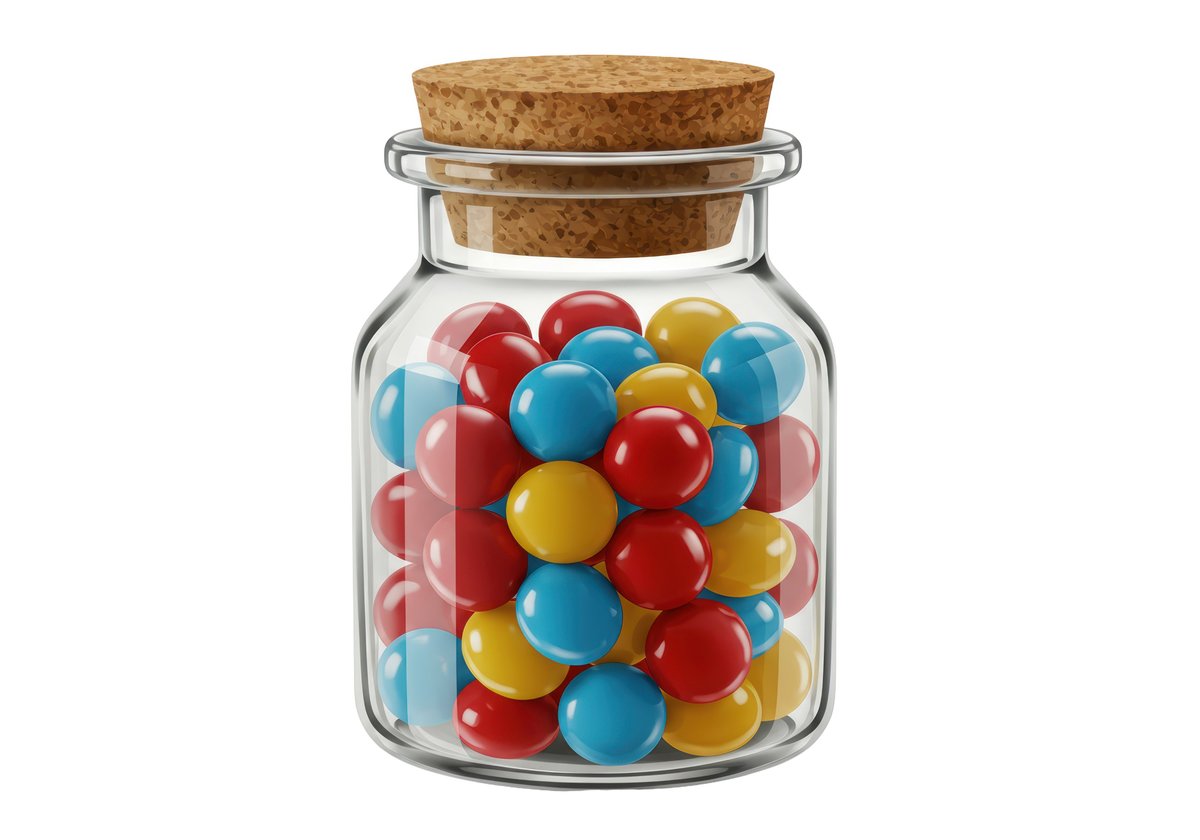
Sauce and condiment bottles for retail or foodservice, sized and capped to your line.
View & Configure →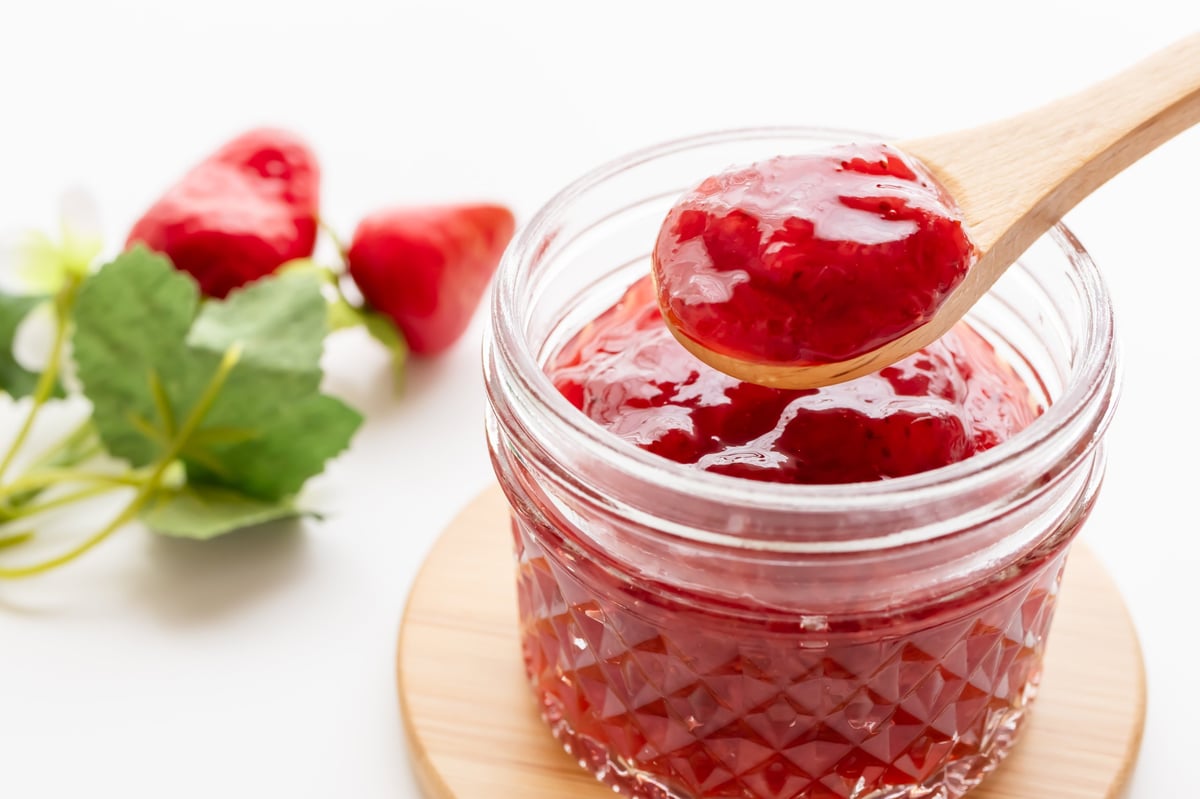
Thick sauces, chutneys, pastes and preserves that are spooned out.
View & Configure →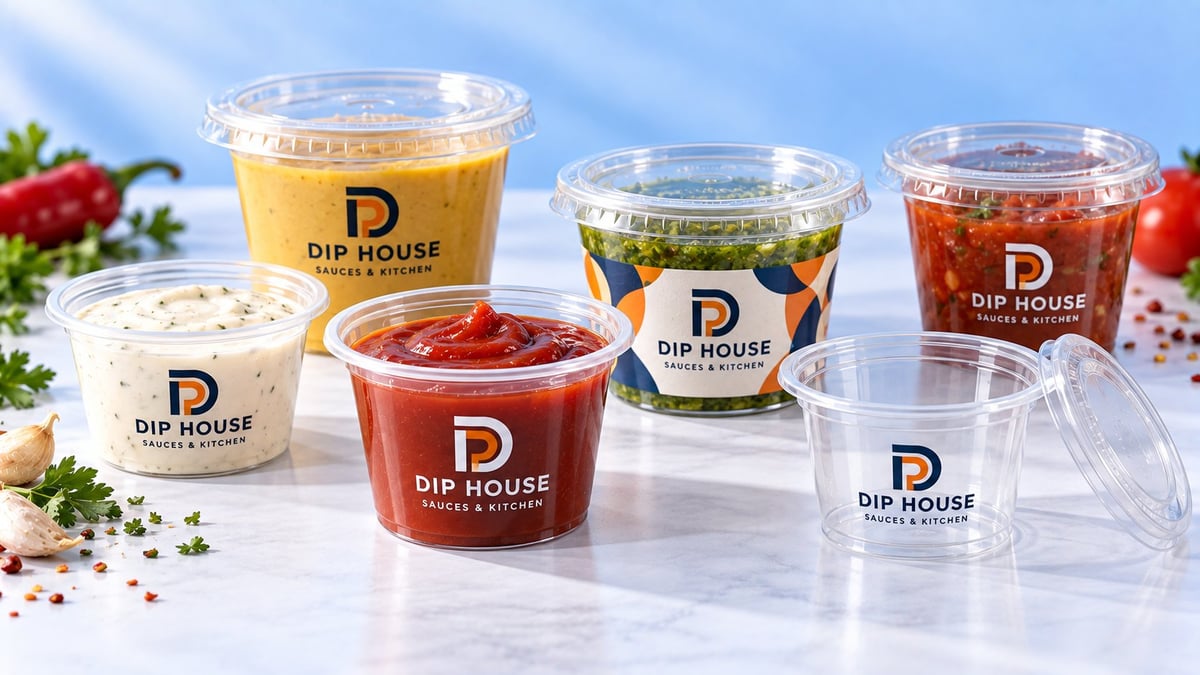
The foodservice side: sauces served alongside someone else's food.
View & Configure →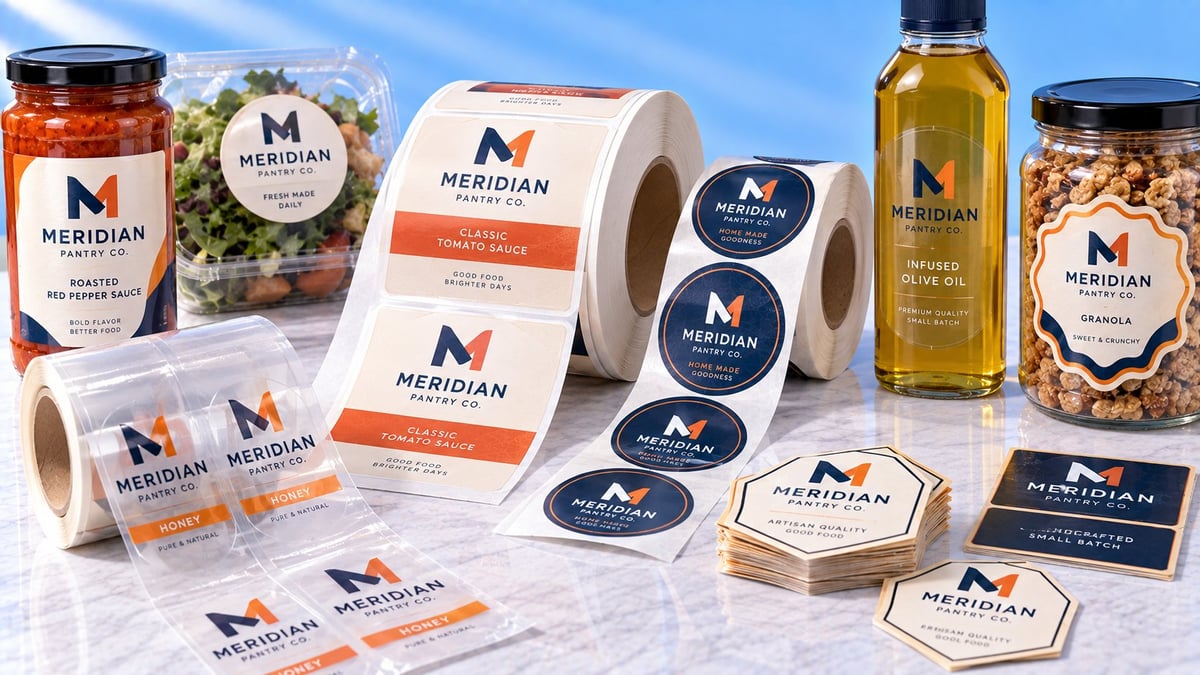
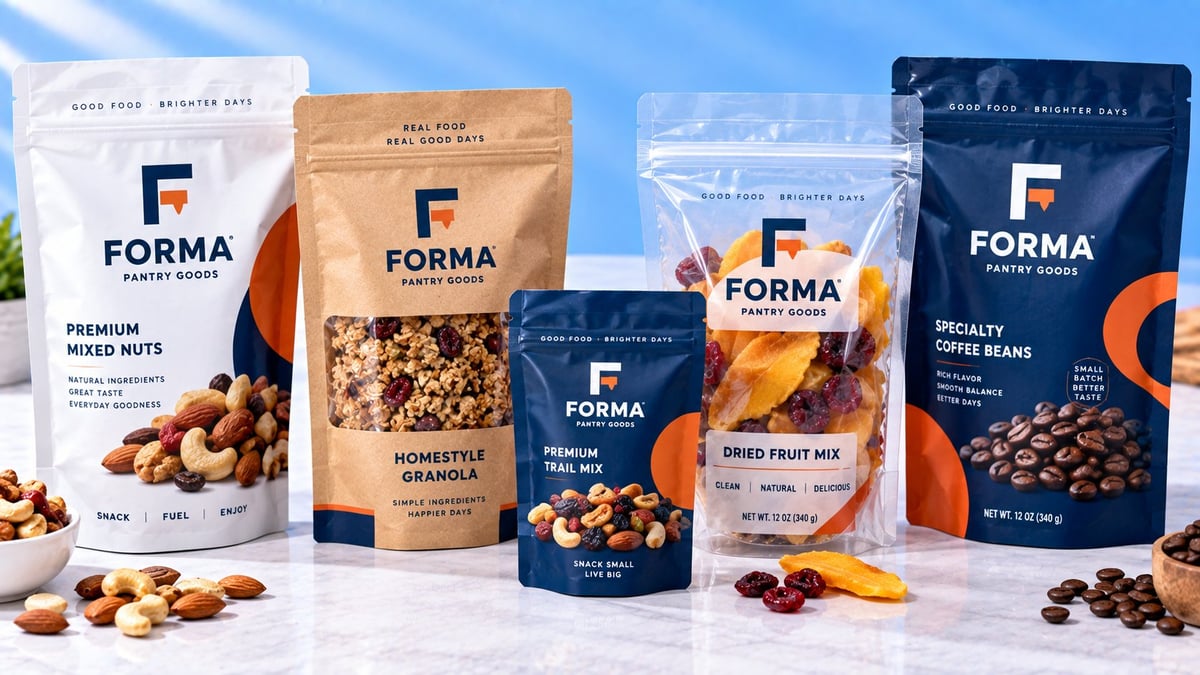
An alternative to glass for retail sauce with no breakage risk.
View & Configure →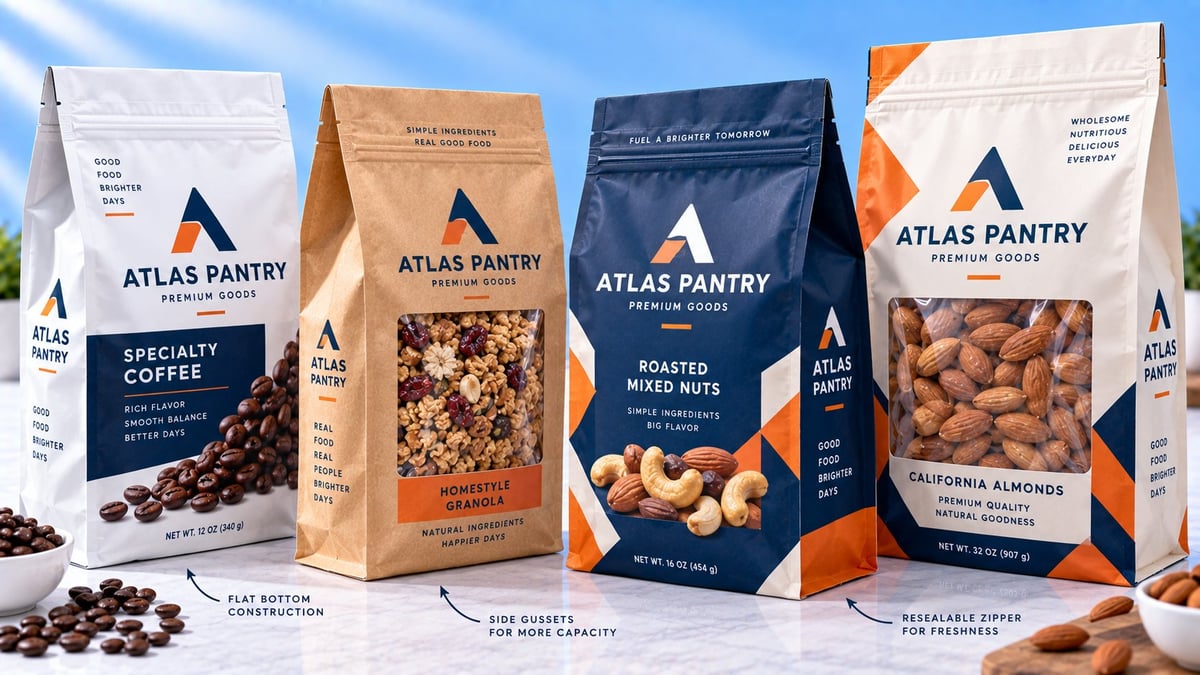
Pouches with a wider base and a more premium shelf read.
View & Configure →This is the retail side of the business and the container and closure are one specification. Capacity sets the fill line and the label; the closure decides whether the product pours, dispenses or simply seals. Confirming the two together before quoting is what prevents a case that cannot be sold.
A jar suits anything spooned out rather than poured: thick sauces, chutneys, pastes, preserves and condiments with texture. A wide mouth is the practical difference between a jar that works for the product and one that does not.
If the sauce goes out alongside someone else's food, this is the side of the business that matters. Portion cups are the highest-count item per order, so unit cost dominates, and they are the branded surface a customer handles at the table with the food.
On a retail sauce the label is the entire brand presence and it also carries required information. It is where the product declares what it is, and it is worth designing alongside the container rather than after it, because the fill line determines how much label area you actually have.
Decide first whether you are buying for retail, foodservice, or both, because the two are specified differently and priced differently. Retail is driven by the container and its closure; foodservice is driven by unit cost at volume.
Confirm the closure as a matched pair with the container. Send us the product, or the container you already use, and we confirm compatibility before quoting rather than after delivery. This is the step worth slowing down for in this category.
Glass carries a heavier freight share than anything else we make, because the product is heavy and has to arrive intact. Case packing is confirmed with your quote, and if you are receiving at a retail location rather than a warehouse, tell us so it is packed for that.
We confirm the container and closure as a matched pair before quoting rather than assuming a fit. Neck finish is what determines it and it cannot be judged from a photograph, so tell us what you are filling and we specify both together.
It depends on how the product comes out. A bottle suits anything poured or dispensed; a jar suits anything spooned out, which usually means thicker sauces, pastes and chutneys. Tell us the consistency and the answer follows.
Yes. Portion cups are the foodservice side of this category and are usually bought alongside retail packaging by businesses that sell both ways. They are the highest-count item per order, so they are quoted at your real volume.
Labels can be supplied and applied so the containers arrive ready to fill, or supplied flat if you label in house. Either way, where the label sits is decided alongside the container because the fill line determines the usable label area.
Case and carton packing is confirmed with your quote so the order arrives intact. The right packing depends on the container and on where you receive it, so tell us if it is going to a retail location rather than a warehouse.
Tell us what is in the product, how the customer gets it out, and whether you are selling retail, foodservice or both. We will confirm the container and closure as a matched set and prepare a digital mockup and pricing.
Free digital mockup. Nationwide delivery from YaSeen WholeSale.