
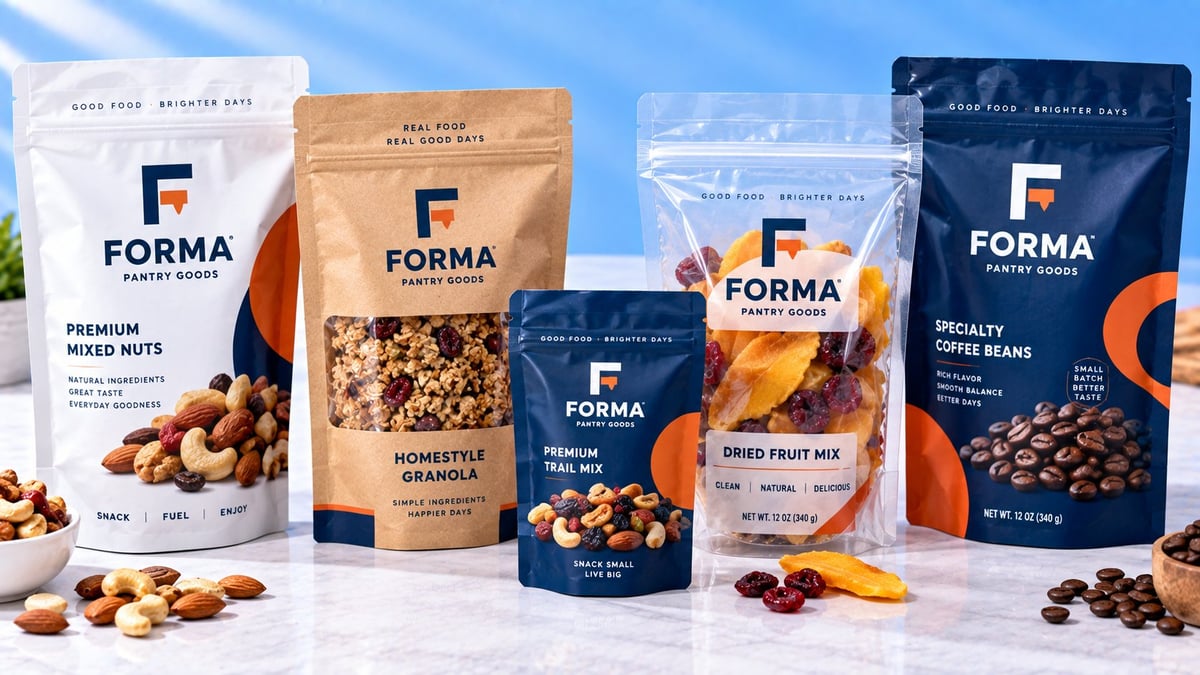
Custom Stand-Up Pouches
The standard self-standing retail format for shelf display.
View & Configure →Retail-ready packaging for food brands, roasters and manufacturers: pouches, jars and bottles specified by structure and barrier, plus the labels that carry required information.
A food brand or manufacturer is solving a different problem from a café or a restaurant. The packaging is not handed over with the product; it is the product's presence on a shelf, competing with other packages for a few seconds of attention, and carrying whatever information the product legally has to declare.
That makes structure and barrier the first questions rather than an afterthought. A pouch is a barrier between the product and the air, moisture and light around it, and that barrier is built from layers. How many and which ones is a genuine engineering question for your specific product and shelf life, and it is not something we will guess at.
This collection is organized around getting to a retail-ready specification: what format the product needs to stand in, what it needs protecting from, whether it reseals, and what the front panel has to do. It is written for businesses selling their own product rather than serving someone else's.
Air, moisture and light are what end a shelf life, and a flexible package resists them with layers. Coffee has its own requirement because it releases gas after roasting. Dried goods, spices, frozen products and confectionery each present a different one. The structure follows from the product and the shelf life you need, not from the format you like.
A stand-up pouch holds itself upright; a flat-bottom pouch has a wider base and reads as a more premium structure; a flat pouch does not stand at all and suits products merchandised in a tray or hung. This decides how the product is displayed before any other choice matters.
On a shelf, the front panel is the entire sales pitch: brand, product name, weight and any required declaration. Flexible packaging takes the most detailed artwork in the catalog because the surface is smooth and the print area is large, which means the design decision carries more weight here than anywhere else.
Whether the pack reseals decides how the customer uses the product. Coffee, snacks, nuts and granola are consumed over several sittings and usually want a closure. Single-serve products do not. Resealability is a customer experience decision, and it is far easier to make it here than to redesign artwork around the front panel later.
If the product goes into a bottle or a jar, the closure is a separate component that must be confirmed as a match. Neck finish determines compatibility and it is not visible in a photograph. A cap that does not seal is not a cosmetic problem, it is a product failure.
Retail packaging is usually the longest-lead item in an order and the one most tied to a listing or a launch. Working back from the date rather than forward from the artwork is what keeps the schedule realistic.
Flexible formats first, then rigid packaging and the labels that carry product information. Each card opens the product page to configure format, closure and print.
The standard self-standing retail format for shelf display.
View & Configure →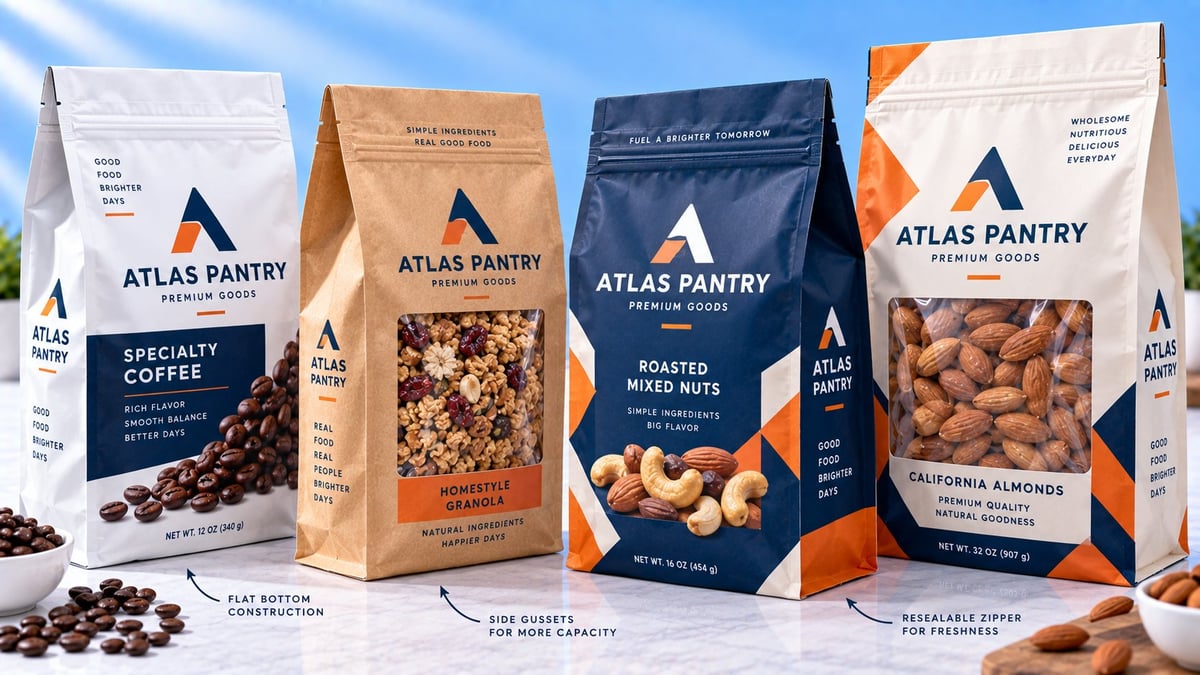
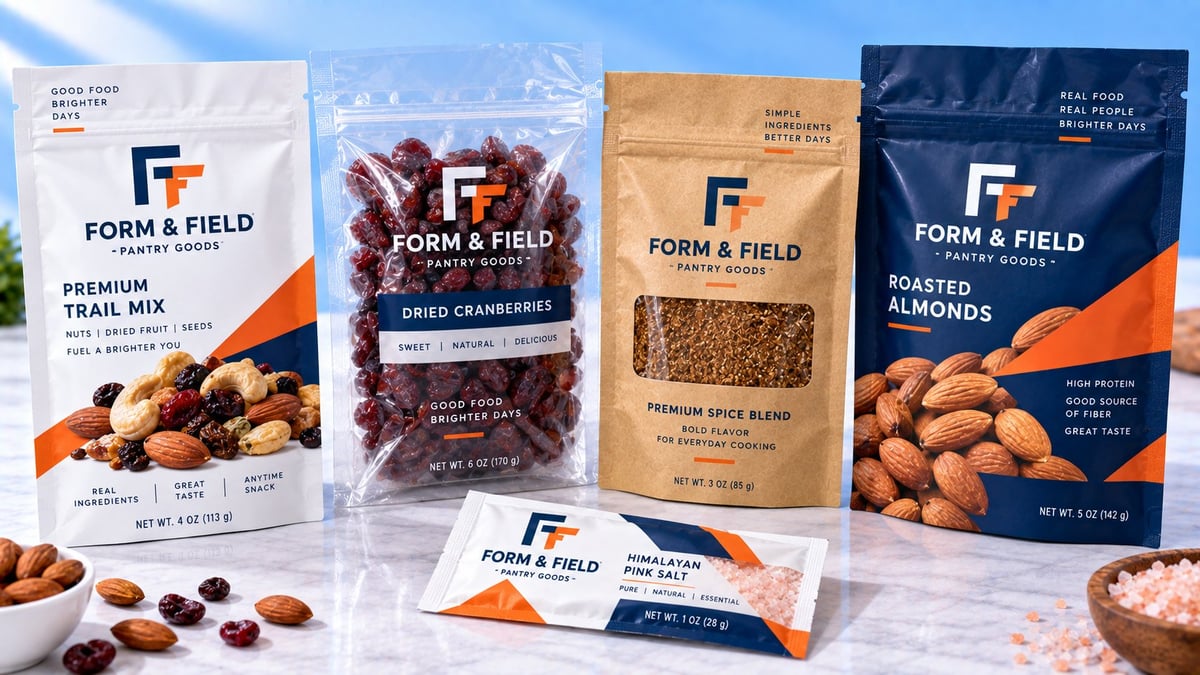
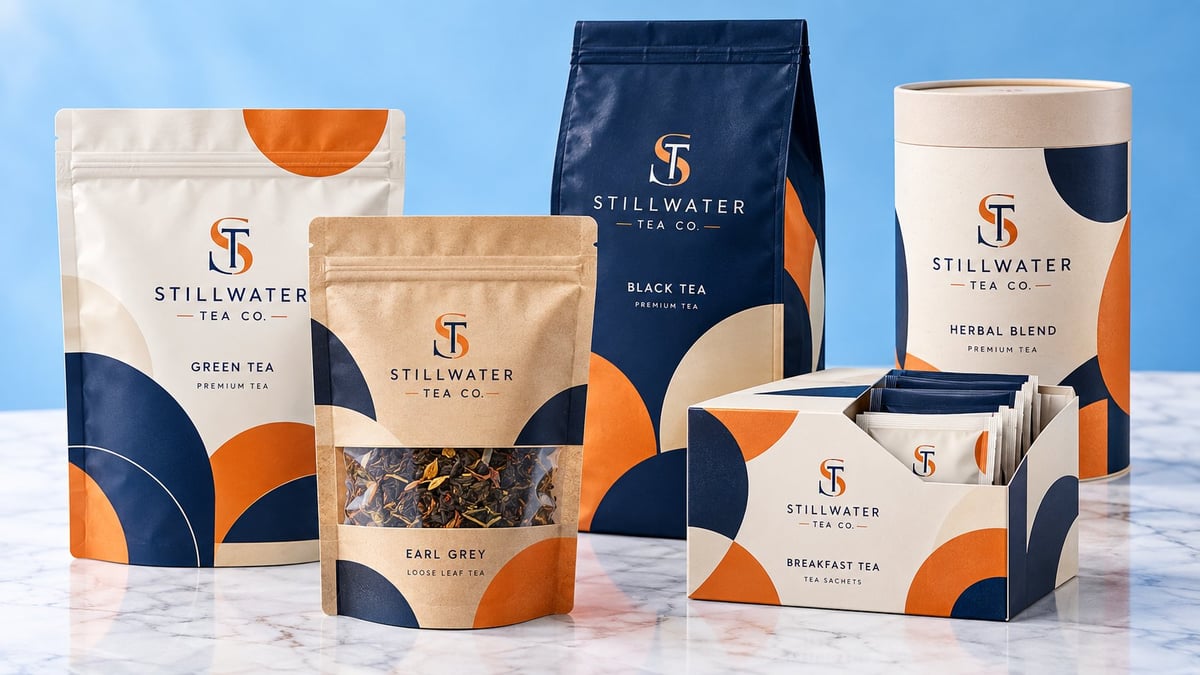
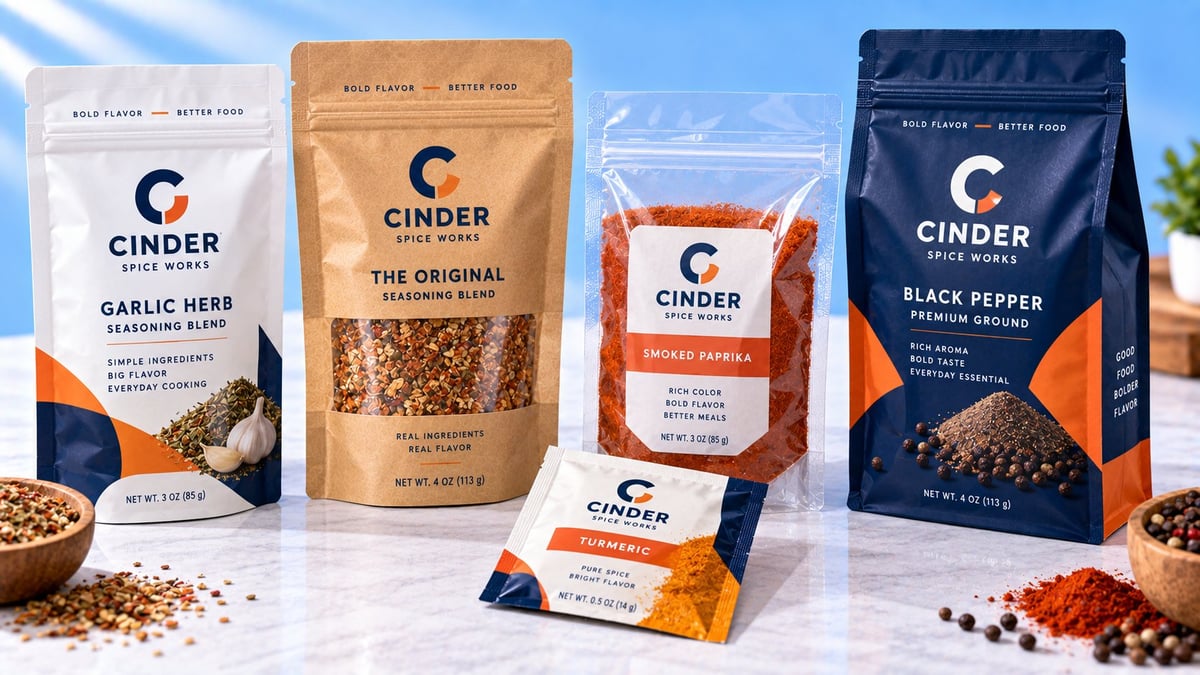
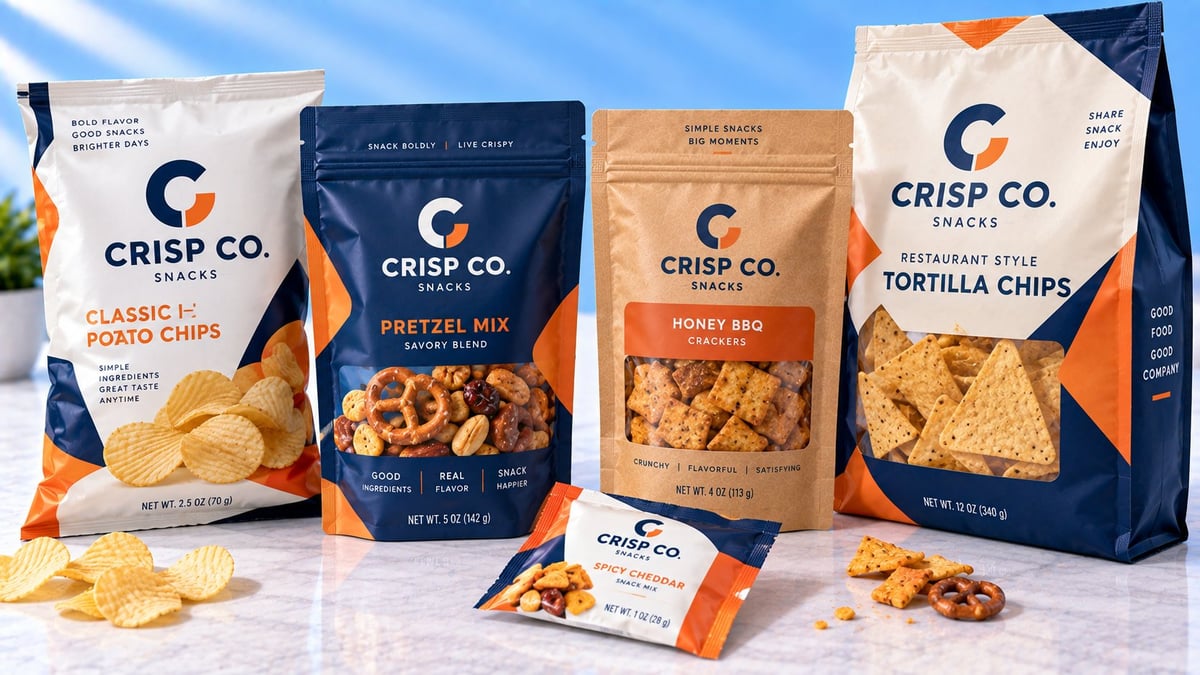
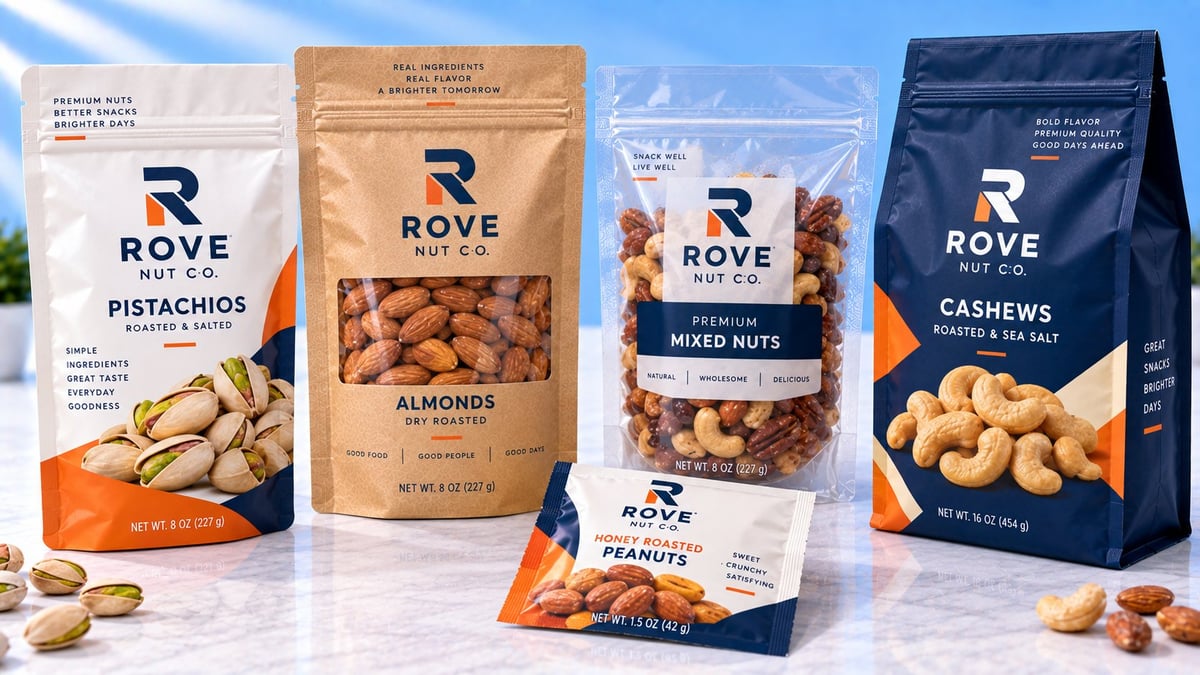
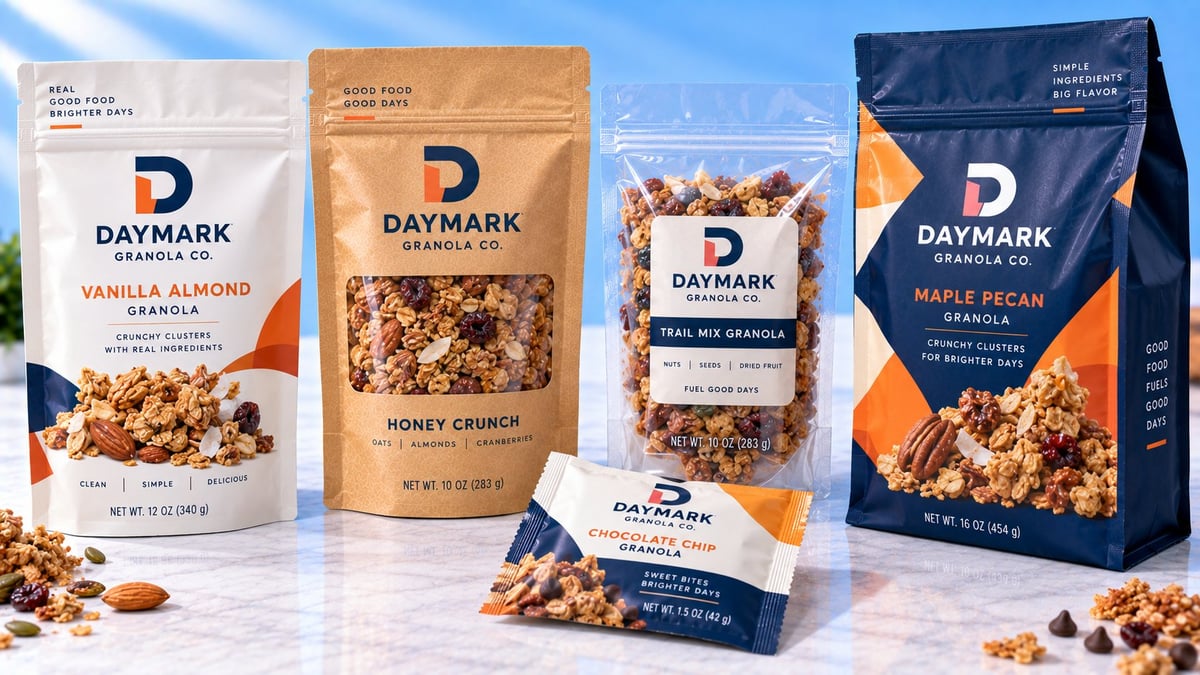
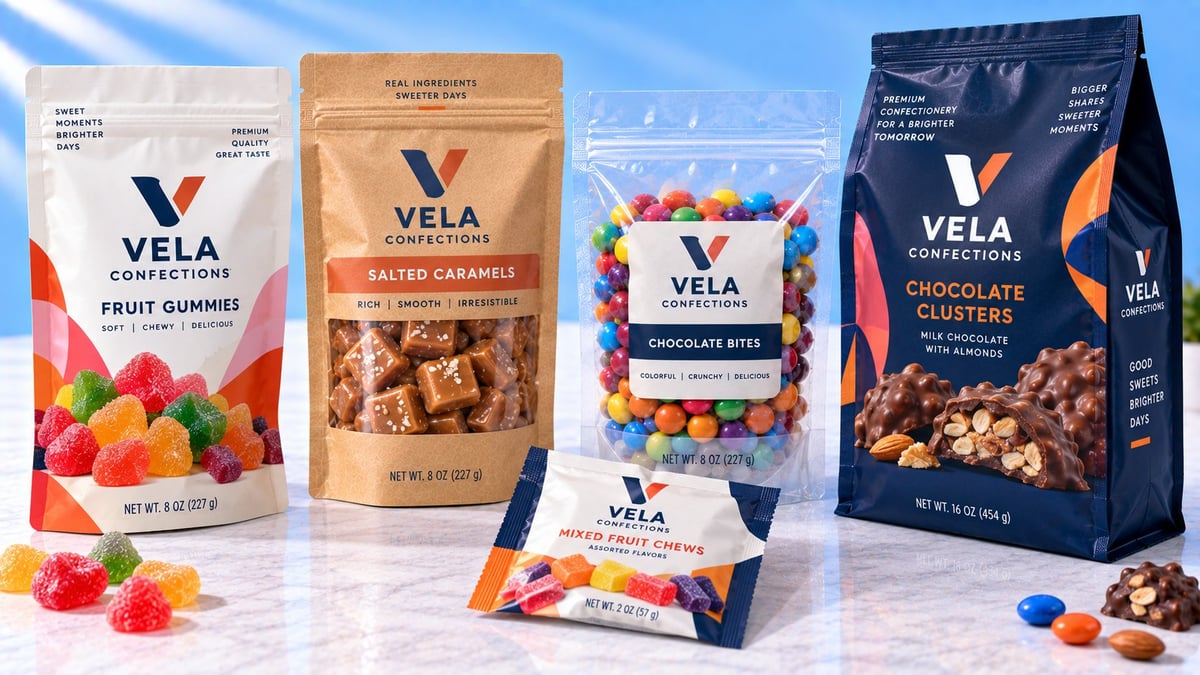
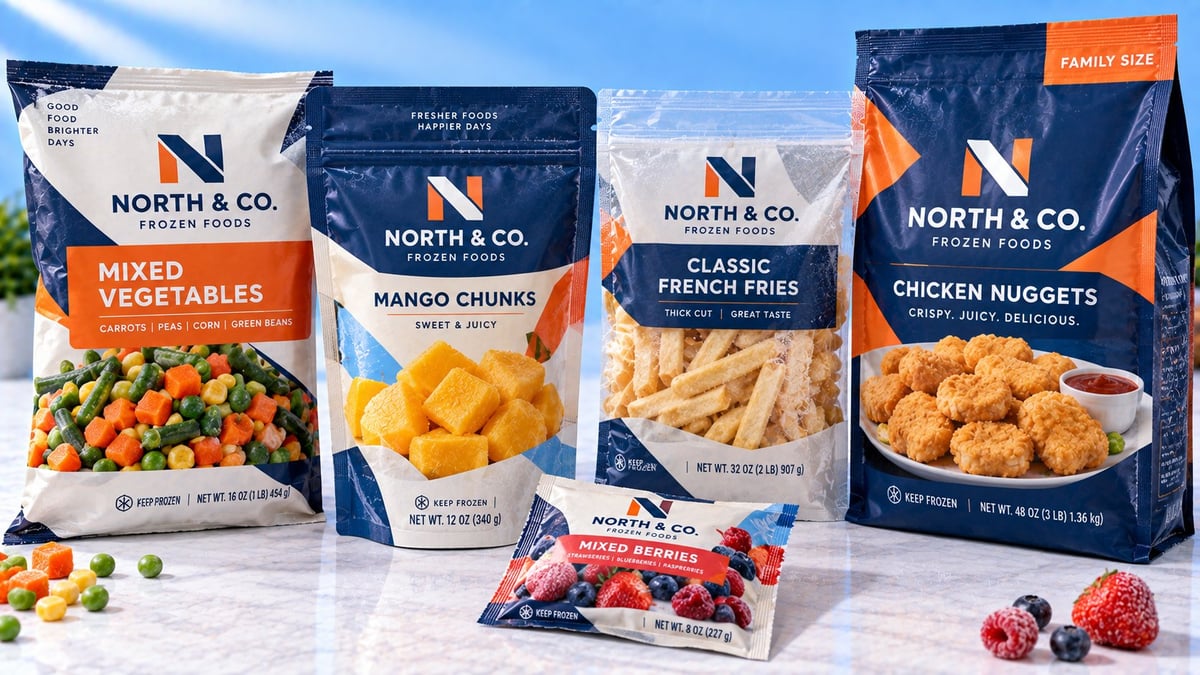
This is the decision the rest follows from. A stand-up pouch holds itself upright on a flat base; a flat-bottom pouch has a wider, more rigid base and a more premium read; a three-side-seal flat pouch does not stand and suits trayed or hung merchandising. Where the product sits on the shelf is decided here.
Some formats exist for one product rather than for a shape, and they are sized and optioned around how that product is bought and used. If your product has a dedicated format, start there rather than at the generic pouch.
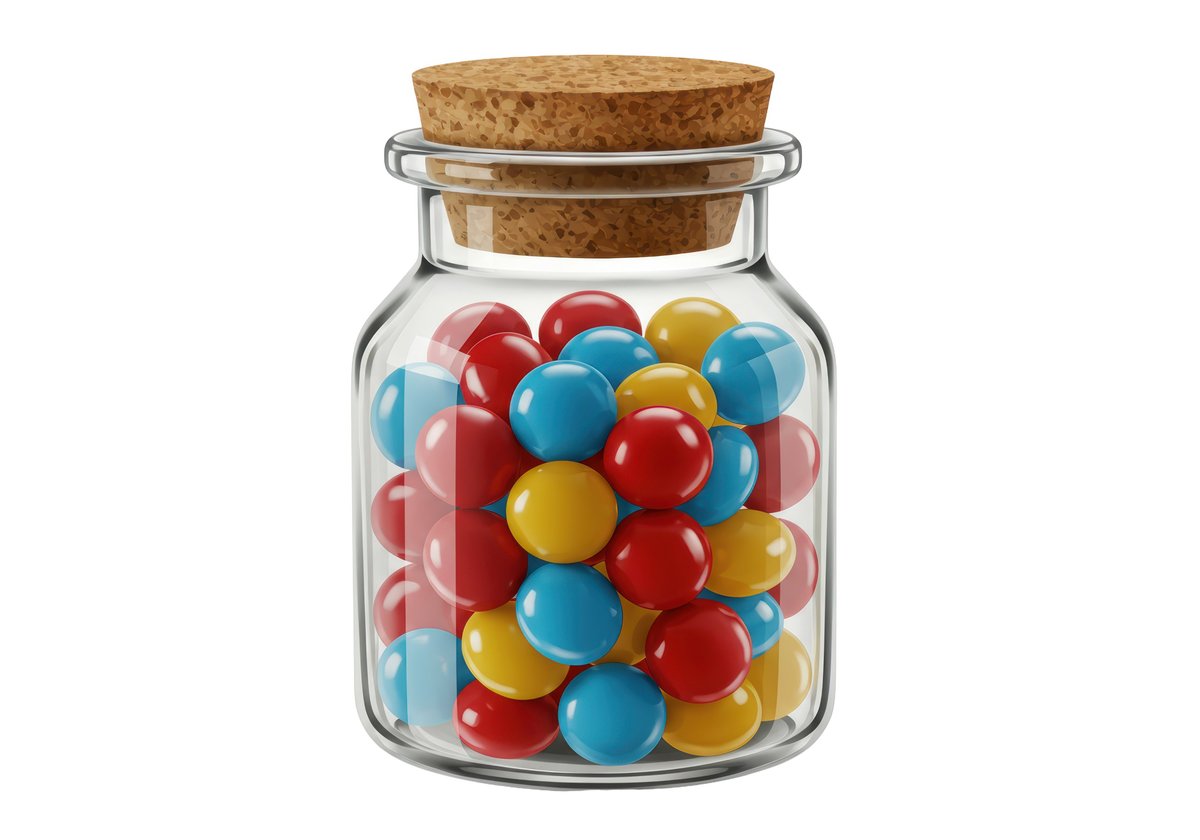
Where the product goes into glass, the container and its closure are specified as a matched pair. Capacity sets the fill line and the label; the closure decides whether the product pours, dispenses or simply seals. Both are confirmed before quoting.
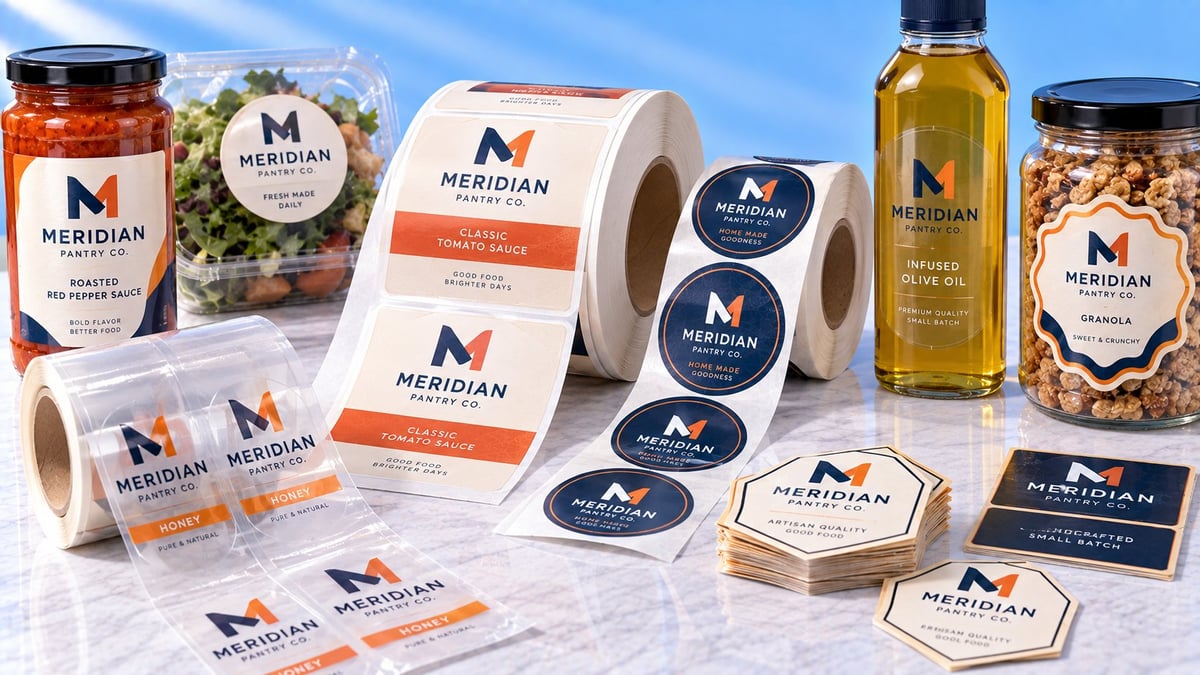
Labels carry brand and required product information, and on a short run or a test batch they offer a route that printed packaging does not: pack plain and label, then commit to printed packaging once the product is proven.
Structure, closure and barrier are confirmed against your product before anything is quoted, because those decisions are what the price is built from. Tell us the product, the net weight, the shelf life you need and how it is displayed, and the format follows from that.
If you are working back from a launch or a retail listing, say so at the quote stage rather than after artwork approval. Production and transit are quoted separately and the schedule depends on both, so the earlier we know the date the more realistic the plan is.
For a first run, consider whether printing plain and labelling is a better first step than committing to printed packaging. Both routes are quoted, and for a test batch the labelled route is often the lower-risk one.
Start with what the product needs protecting from and how long it must keep, then with whether it has to stand on a shelf. Those answers narrow the structure before format preference comes into it.
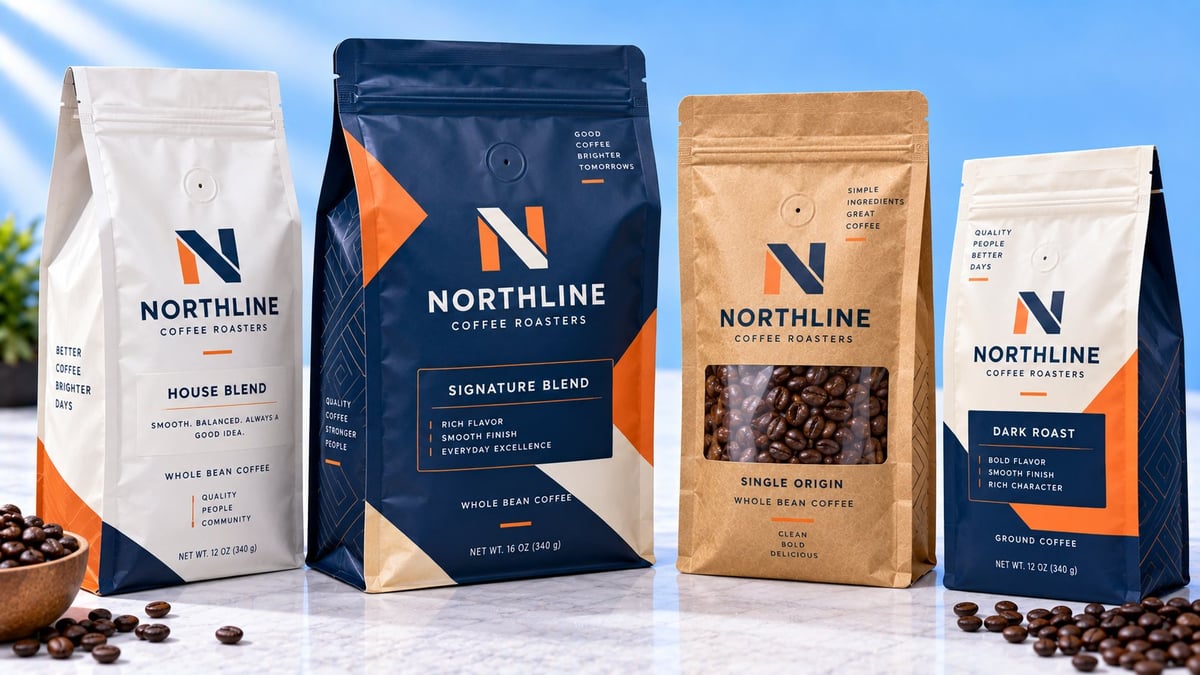
Coffee releases gas after roasting, which is what a valve is for. Whether your product needs one depends on your roast and your packing process, so it is confirmed against your specifics rather than recommended as a default.
Send us the container and we confirm compatibility before quoting. Neck finish determines the fit and it is not something that can be judged from a photograph.
For a test batch or a new product, packing plain and labelling is often the lower-risk route, because it lets you prove the product before committing to printed packaging. Both routes can be quoted so you can compare.
It is usually the longest-lead part of an order and depends on the structure, the quantity and the transit. Tell us your target date at the quote stage and we will say what is realistic rather than after the artwork is approved.
Tell us the product, the net weight, the shelf life you need and how it is displayed. We will confirm the structure and closure and prepare a digital mockup and pricing for the pack.
Free digital mockup. Nationwide delivery from YaSeen WholeSale.