
Coffee Roaster Packaging
A retail bag that protects the roast and sells it
A coffee bag is doing two jobs at once. It is a barrier protecting the roast from the air and moisture around it, and it is the product's entire presence on a shelf competing for a few seconds of attention. Both jobs are decided by the same specification, which is why the structure comes before the design rather than after it.
Coffee has a barrier requirement of its own
Roasted coffee releases gas for days after roasting, which is what a degassing valve is for. Whether your product needs one depends on your roast, your resting period and your packing process, so it is confirmed against your specifics rather than recommended as a default. Barrier and structure follow from how long the coffee has to keep.
Format follows your packing process
Stand-up and flat-bottom pouches each suit different filling setups and shelving. A stand-up pouch holds itself upright on a flat base; a flat-bottom pouch has a wider, more rigid base and reads as a more premium structure. Tell us how you fill and where the bags sit and the format follows rather than being assumed.
Rotating origins, constant relabelling
Roasters change labels more than almost any other business, because origins rotate and blends change seasonally. Approved artwork staying on file, and new origin labels quoting quickly against it, is what stops a rotating menu slowing down production every time a new lot arrives.
The bag is the entire shelf presence
On a shelf there is no server, no room and no explanation. The front panel is the whole pitch: brand, origin, roast, weight and tasting notes. Flexible packaging takes the most detailed artwork in the catalog because the surface is smooth and the print area is large, which makes the design decision carry more weight here than anywhere else.
How These Work Together
The retail bag itself
This is the core decision: a bag specified around your roast, your fill process and your shelf. Valve and closure options are confirmed against your specification rather than offered as a standard configuration, because coffee behaves differently depending on how it is roasted and rested.
Format and shelf presence
Stand-up pouches hold themselves upright on a base, which is what most retail coffee uses. Flat-bottom pouches have a wider and more rigid base and read as more premium. Which one you choose decides how the product is displayed before any other consideration applies.
The label on a rotating range
Labels carry the origin, roast and weight details that change with every lot, and they are what let a roaster keep one bag specification across a rotating menu. Printing plain and labelling is often the more practical route for a roaster releasing small lots regularly.
The café and wholesale side
A roaster usually sells two ways: retail bags to consumers and larger volumes to cafés and restaurants. The wholesale side needs packaging that survives shipping rather than shelf display, and it is specified differently from the retail bag.
Packaging for Your Business
Every product below is one this trade genuinely orders. Open any card to configure size, printing and quantity on the product page.
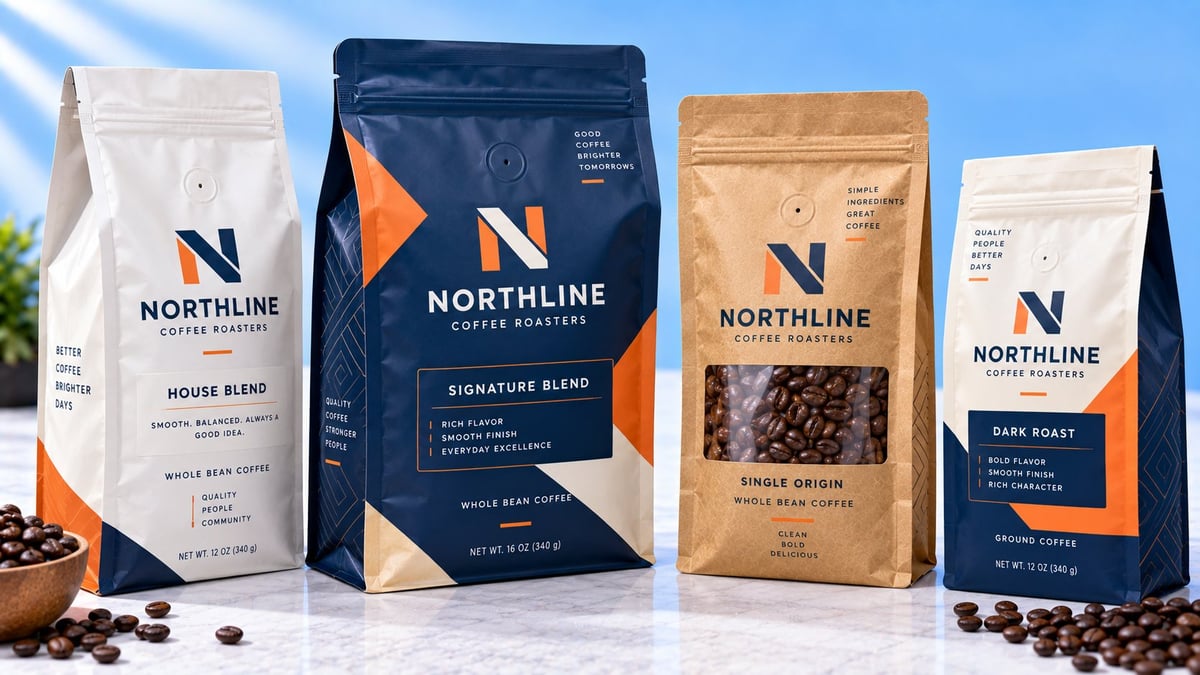
Custom Coffee Bags
Retail bags specified around your roast, fill process and shelf.
View & Configure →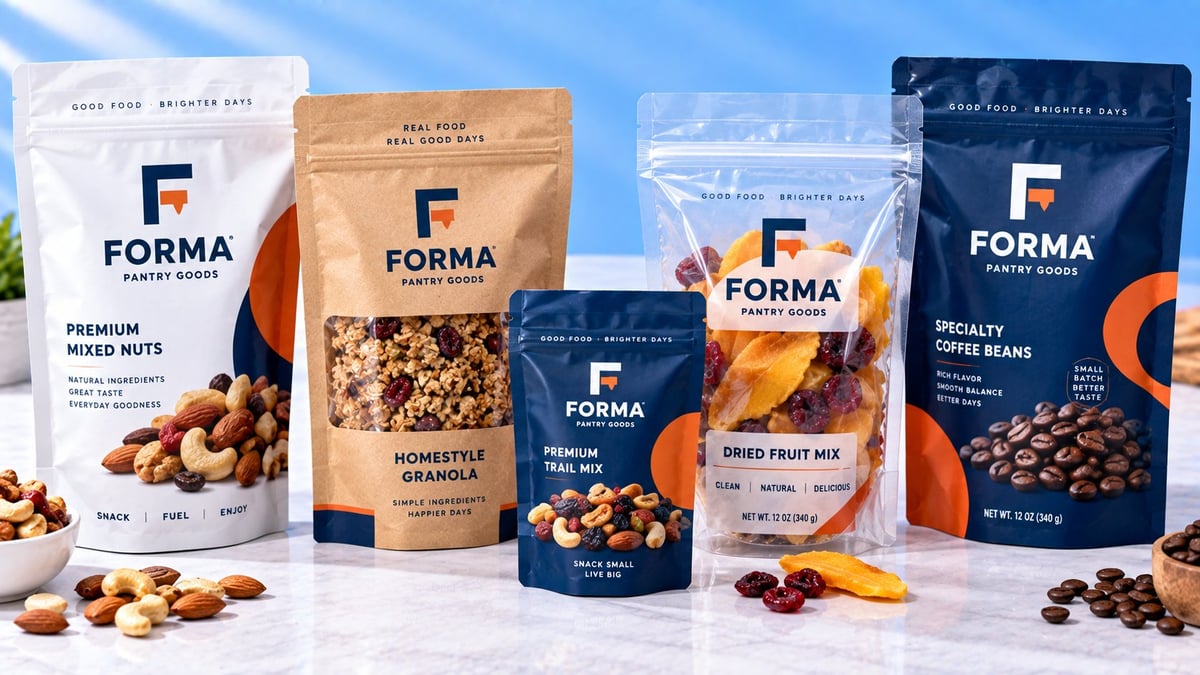
Custom Stand-Up Pouches
The standard self-standing retail format for shelf display.
View & Configure →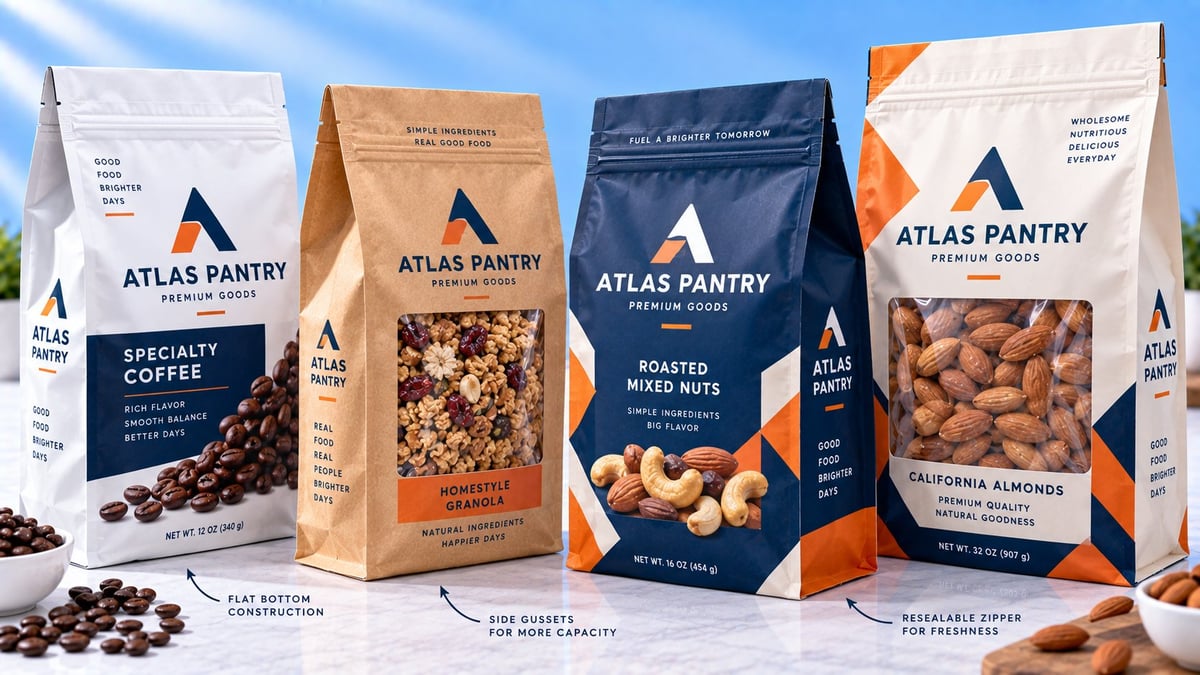
Custom Flat-Bottom Pouches
A wider base and a more premium shelf read.
View & Configure →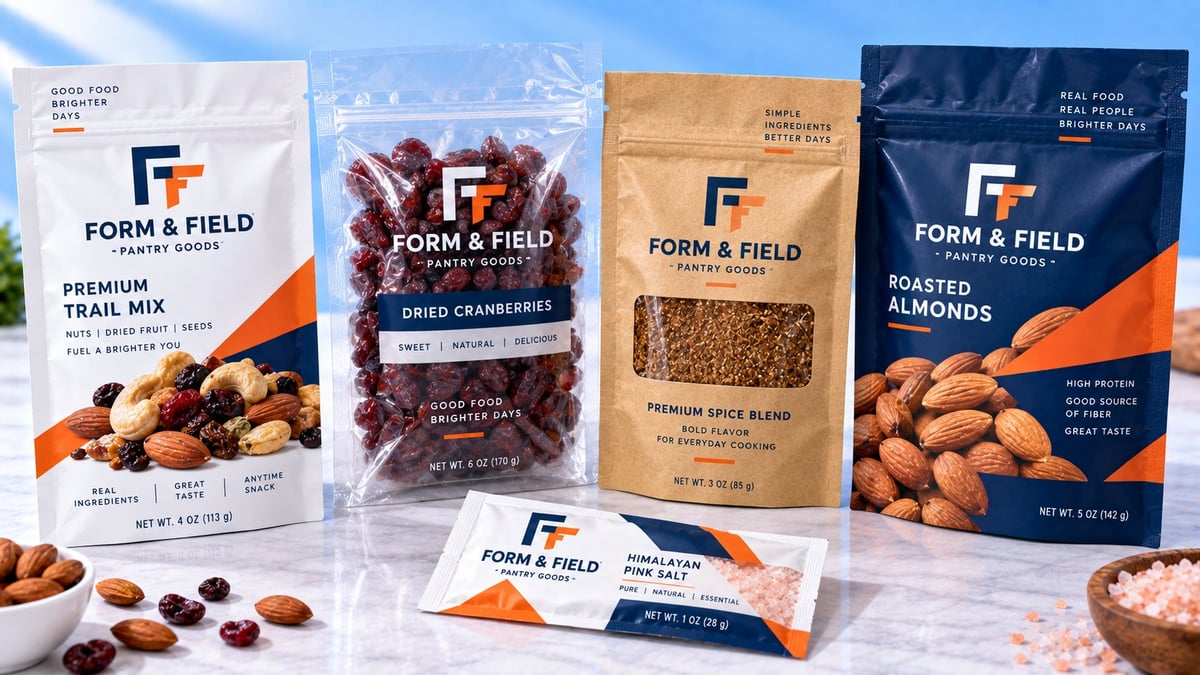
Custom Flat Pouches
Compact formats for sample packs and smaller lots.
View & Configure →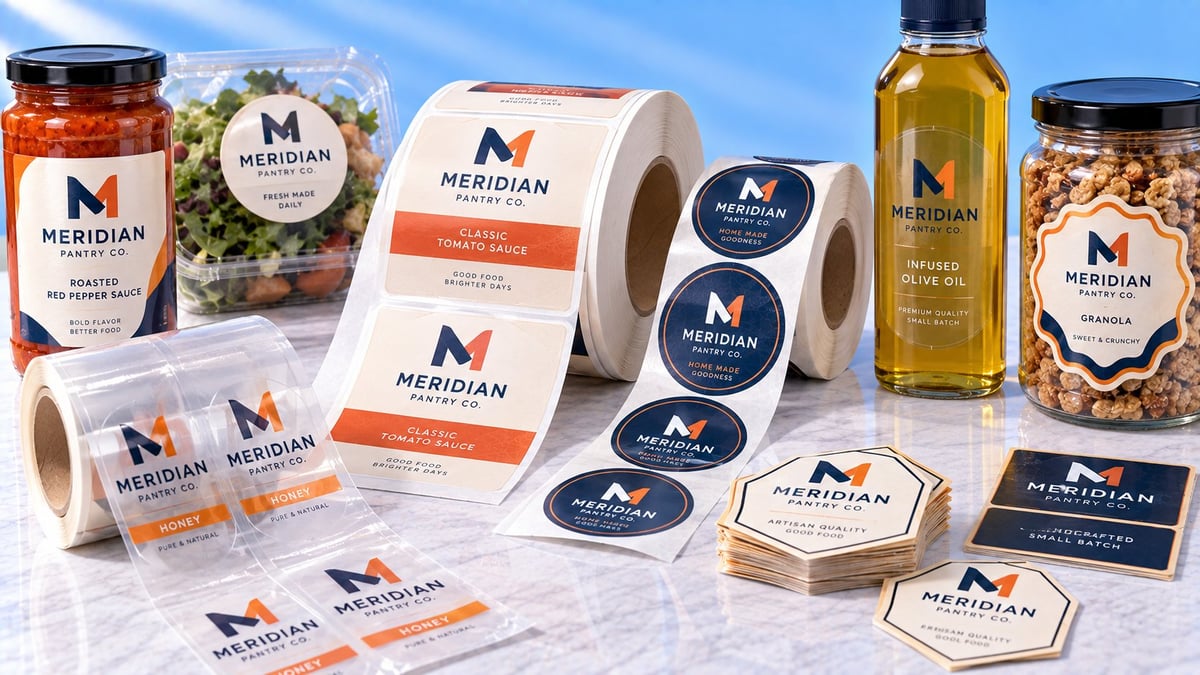
Custom Food Labels
Origin, roast and weight details for a rotating range.
View & Configure →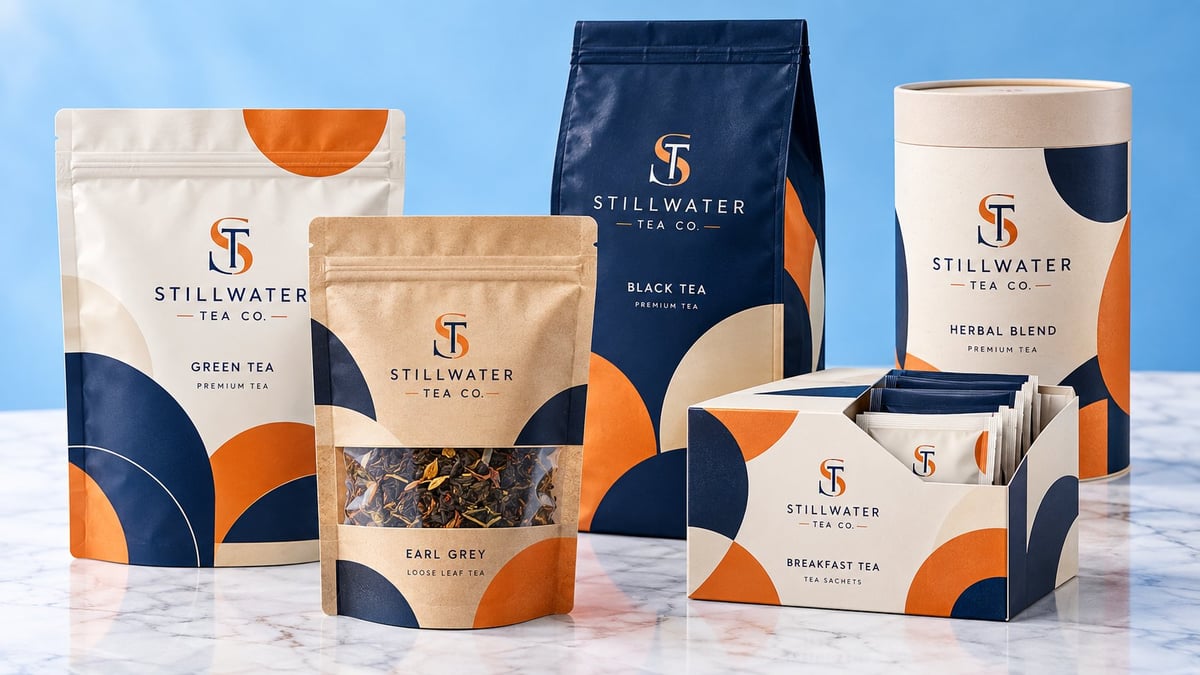
Custom Tea Packaging
For roasters carrying a tea line alongside coffee.
View & Configure →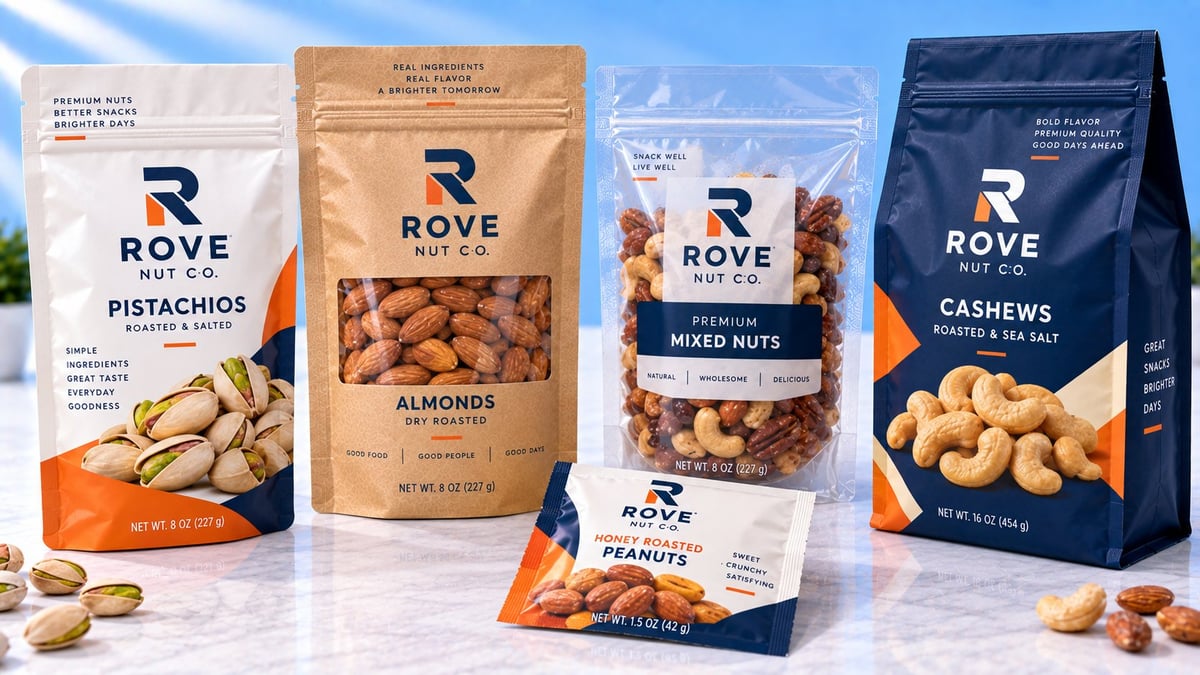
Custom Nutrition Pouches
For roasters selling paired retail goods.
View & Configure →Frequently Asked Questions
Do your coffee bags have degassing valves?+
Can I order small runs for rotating origins?+
Will the bag keep my coffee fresh?+
How do I handle frequently changing origin labels?+
Do you supply packaging for wholesale accounts as well as retail?+
Ready to Brand Your Packaging?
Tell us what your business needs, and we'll help you build a consistent branded packaging system, with a free digital mockup before production.